

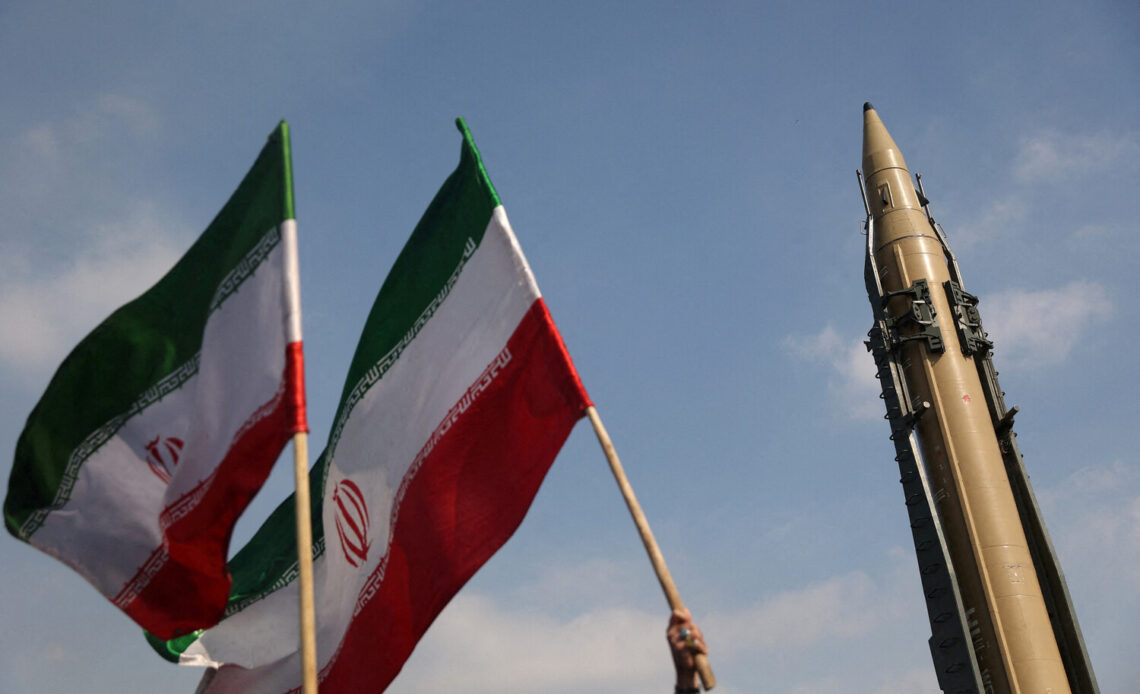
The cryptocurrency market grew by $70 billion after Donald Trump postponed the deadline for Iran and allowed for the possibility of a deal, easing investor concerns around the conflict in the Middle East.
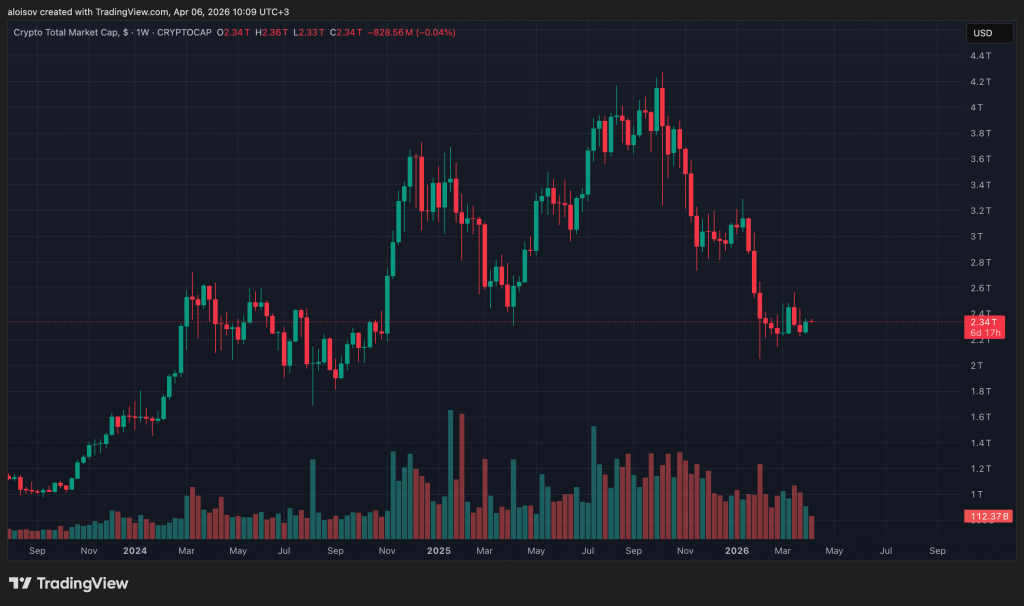
1-week chart of the total cryptocurrency market capitalization
The total crypto market capitalization increased by about 2.5% and reached $2.44 trillion – the highest level in the past 11 days. This move does not look random. It reflects a deeper market reaction to changes in expectations rather than to actual events.
Against this backdrop, Bitcoin rose to $69,568 on the Bitstamp exchange, acting as the main growth driver and setting the tone for the rest of the market. Altcoins generally followed, reinforcing the overall momentum.
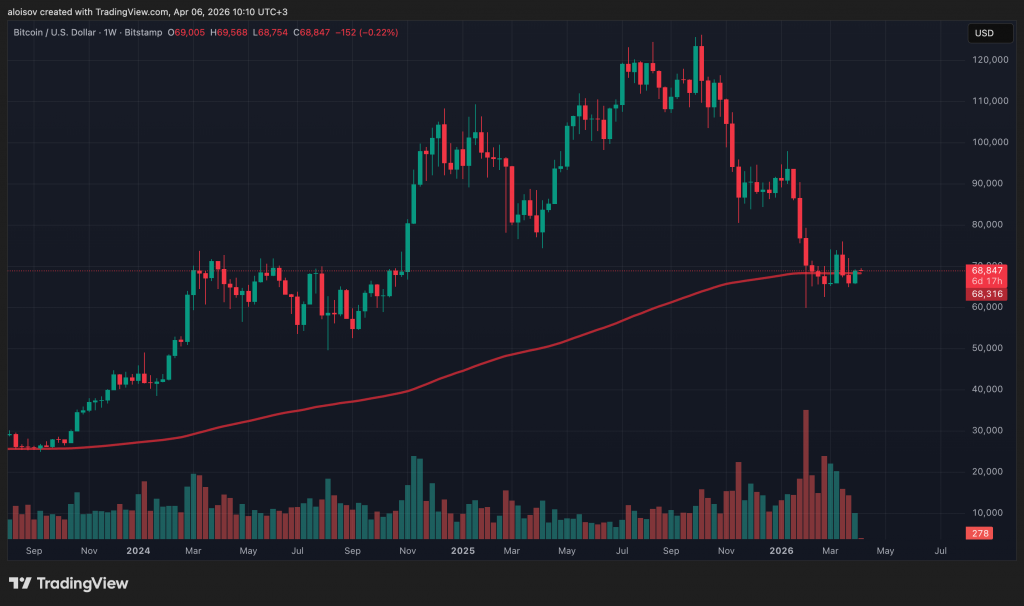
1-week BTC/USD chart and 200 EMA. Source: Bitstamp
Contradictory signals supported the market. The key trigger was not a specific piece of news, but a combination of two opposing signals. First came the harsh rhetoric. On the Truth Social platform, Trump stated that Iran would face extremely serious consequences if it did not reopen the Strait of Hormuz – one of the most important routes for global oil trade.
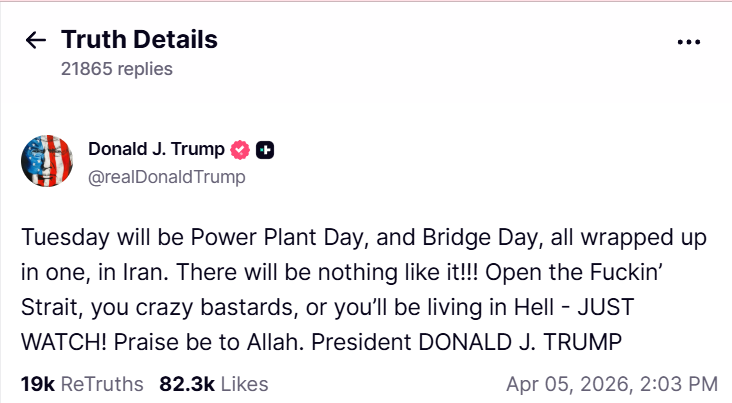
This strait has strategic importance. A significant portion of global oil supply passes through it, and any threats to close it automatically increase tension in commodity markets. Typically, such statements amplify fear and pressure on risk assets, including cryptocurrencies.
However, almost immediately a second signal followed, which the market paid much closer attention to. In an interview with Fox News, Trump said that negotiations were already underway and that a deal could be reached within 24 hours. This shift in tone – from threats to the possibility of diplomacy – became the key factor. The market began pricing in not the worst-case scenario, but a softer outcome.
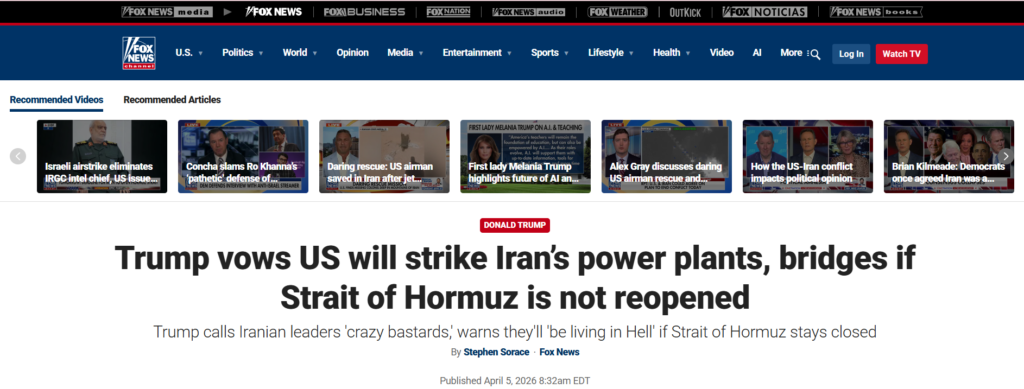
Additional pressure came from the deadlines. Initially, Iran was given 10 days, but the deadline was then sharply reduced to a specific time. This increased uncertainty, but at the same time made the situation more “compressed” in time. And markets tend to react faster to such points of tension.
Liquidations amplified the move. The sharp price increase triggered a classic short squeeze effect. According to CoinGlass, liquidations over the past 24 hours reached about $255 million, with 73% coming from short positions. This means that a large share of traders expected further downside and opened short positions. When the market moved up, these positions began to be forcibly closed.
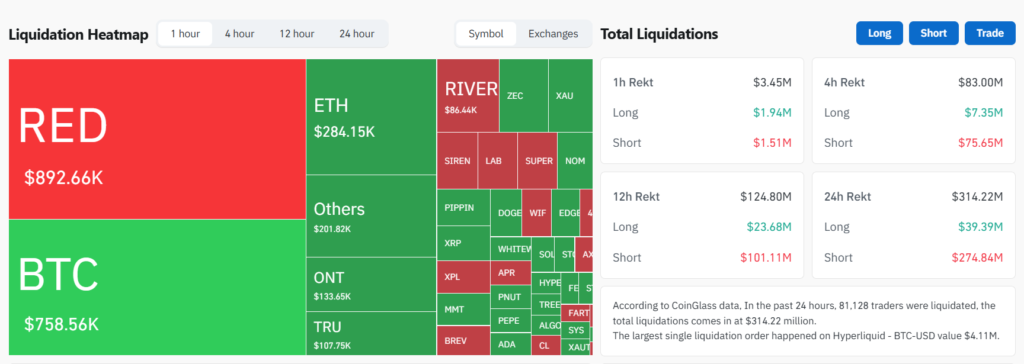
Each liquidation is essentially a market buy. When many such closures occur, they start pushing the price even higher. A chain reaction emerges: price increases trigger liquidations, and liquidations fuel further price increases. As a result, the initial news-driven impulse turns into a stronger move supported by the structure of the market itself.
Geopolitics is once again driving sentiment. The current situation shows that the crypto market has definitively moved beyond isolation and is increasingly trading in line with global macroeconomics and politics.
After more than a month of tension in the Middle East, rising oil prices, and concerns about the global economy, investors have become much more sensitive to such news.
Cryptocurrencies, once seen as an independent asset class, are increasingly behaving like risk assets, reacting to the same factors as equity markets. Any signals of de-escalation bring capital inflows, while threats of escalation increase caution.
It is important to note that the reaction is driven not by the events themselves, but by changes in probabilities. The market constantly reassesses scenarios: whether escalation will occur, whether a deal will be reached, and how quickly it may happen. The situation clearly demonstrates an important shift in market behavior. The crypto market is increasingly reacting not to facts, but to expectations. Moreover, the speed of this reaction is significantly higher than the speed at which confirmed data appears.
A softening of rhetoric or even a hint of negotiations is enough to trigger short-term growth. Even if actual agreements have not yet been reached, the mere change in sentiment already affects prices. In such a system, geopolitical news becomes a kind of liquidity trigger. It does not necessarily change fundamental indicators, but it sharply alters the behavior of market participants.
As a result, an environment forms where price movement often outpaces reality. The market reacts first, facts come later, and sometimes they do not confirm initial expectations at all. That is why such moves are often sharp but unstable. They create opportunities for quick profits, but at the same time increase the risk of incorrect decisions.
In a broader sense, this is another sign of market maturation. Cryptocurrencies are becoming more deeply integrated into the global financial system and therefore increasingly dependent on the same factors as traditional assets. And here the old market logic applies: the more money enters the system, the less “romance” it contains and the more it reacts to real risks, news, and expectations.
All content provided on this website (https://wildinwest.com/) -including attachments, links, or referenced materials — is for informative and entertainment purposes only and should not be considered as financial advice. Third-party materials remain the property of their respective owners.