


⛏ China returns to the game: hidden mining has grown to 14% of the global hashrate, shifting the balance of power in the BTC industry.
A few years ago, it seemed the matter was settled: in 2021, China imposed a complete ban on mining, shut down the world’s largest farms, and literally expelled the industry from the country within weeks. Many analysts confidently declared that the era of Chinese influence over BTC mining was over.
But, as often happens in the crypto world, reality proved far more inventive than any predictions. Today, China is once again among the top three global Bitcoin mining leaders, and its share, according to Hashrate Index and Reuters, has already reached 14%. Experts believe the real numbers could be even higher.
And yes, officially mining in China is still banned. Formally.

Chinese miners return: data that cannot be ignored
Reuters reports that mining in China is rapidly reviving despite the ban. According to Hashrate Index, by the end of October 2025, China’s share reached 14% of the global hashrate, placing the country back in third place in the global mining ranking.
Equipment manufacturers confirm the same trends. Canaan reports a sharp surge in domestic orders, explained only by one factor: both old and new industry participants are reactivating in the country.
CryptoQuant goes even further, estimating China’s real share at 15-20%, considering hidden farms, private mining clusters, and regional projects disguised under other activities.
Where mining is happening and why there
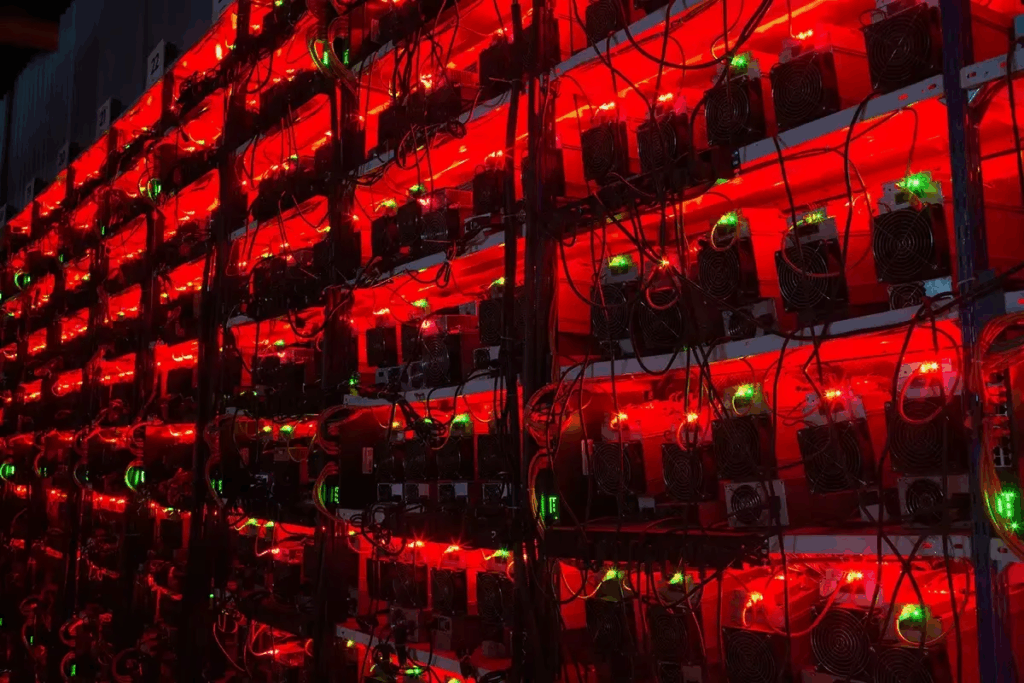
The revival mainly takes place in provinces historically abundant in cheap electricity: Xinjiang and Sichuan. A paradox exists in these regions: capacity exceeds consumers, and energy transfer to other areas is infrastructure-limited.
Here, Bitcoin again proves its versatility. For local companies, mining becomes the optimal way to:
- utilize excess energy,
- monetize resources that would otherwise remain idle,
- ensure the profitability of regional generators.
Market participants report that in 2025, new farms are being built in these regions, and old sites are coming back online. Energy is cheap, risks are distributed, and demand for capacity is growing.
Why the revival is happening now?
Several factors converged:
High BTC price in fall 2025. Bitcoin’s rise brought mining to record profitability. Even after a roughly 30% correction, mining remained profitable due to very low electricity costs.
Dollar weakening due to U.S. policy. Geopolitical and domestic changes made cryptocurrencies attractive as alternative assets.
Growing interest in mining as a business model. Mining is seen again not as speculation, but as an infrastructure project.
Flexibility of local authorities. While the federal ban remains in place, regional authorities in some provinces turn a blind eye to operations that utilize excess energy, create jobs, and bring taxes through indirect schemes.
Sometimes, the old Chinese “don’t ask, don’t tell” model works more efficiently than any regulation.
Impact on the global mining economy
Patrick Grun, head of Perpetuals.com, considers the current situation one of the most important signals of recent years. Hidden mining revival in China, growth of local clusters, and infrastructure restoration can become a strong supporting factor for Bitcoin’s price.

Markets traditionally react to large mining hubs, and China has historically been one of the most technologically advanced mining regions.
Even indirect signs of potential policy softening in Beijing strengthen the narrative of Bitcoin as a global, resilient asset independent of individual state decisions.
Equipment sales: undeniable proof
The mining revival is confirmed not only by hashrate but also by manufacturers’ commercial data. According to sources:
- In the first half of 2025, over 50% of global Canaan sales went to China,
- The year before, the share was barely 30%.
This data indicates not just renewed interest but large-scale investment in infrastructure that no one builds “just in case.”
China’s return to mining could fundamentally shift the balance of power:
- Increased competition in hashrate. Global hashrate accelerates, network difficulty rises, miners’ margins decrease.
- Ecosystem stability. Participation of such a large player makes the network more resilient and distributed.
- New political factor. Any official easing of the ban would be the biggest market news in years.
- Rise of regional projects. Xinjiang and Sichuan may reclaim status as key global mining hubs.
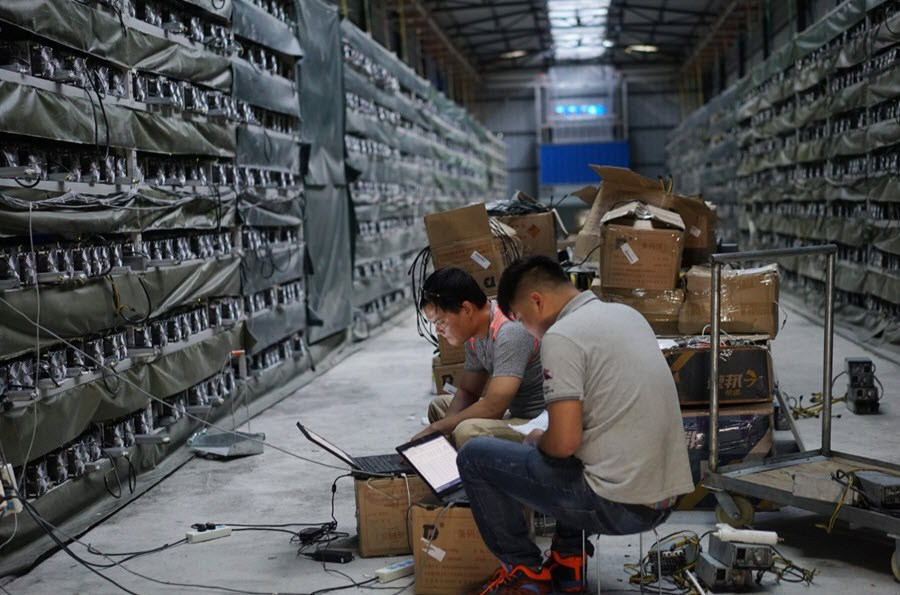
? And most importantly: all this is happening without official permits. Politics says one thing, economics does another, and cryptocurrency once again proves it lives by its own rules.
All content provided on this website (https://wildinwest.com/) -including attachments, links, or referenced materials — is for informative and entertainment purposes only and should not be considered as financial advice. Third-party materials remain the property of their respective owners.