

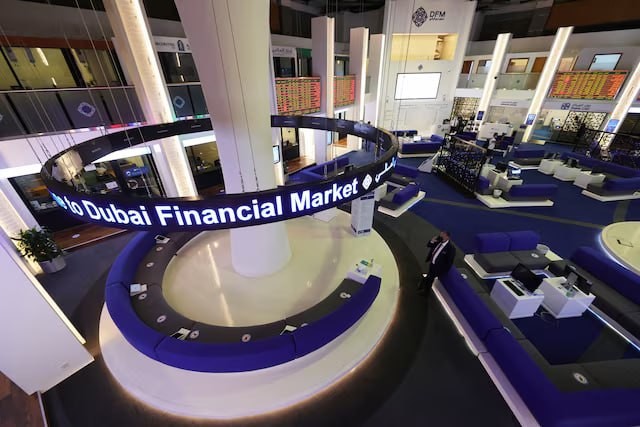
The United Arab Emirates made an emergency decision to suspend the operation of national stock markets on Monday and Tuesday amid a sharp escalation of regional tensions and the consequences of retaliatory missile and drone strikes by Iran. This refers to a temporary suspension of trading on key platforms in the country, including the Abu Dhabi Securities Exchange and Dubai Financial Market, through which billions of dollars in transactions pass daily.
The closure of exchanges effectively “freezes” capital movement and suspends operations with stocks, bonds and derivative instruments. Investors are forced to take a wait-and-see position, assessing the scale of damage from strikes carried out on Saturday and Sunday on airports, seaports and residential areas in the UAE and other countries in the Persian Gulf region. In conditions of uncertainty, regulators prefer to minimize the risks of panic selling and uncontrolled volatility.
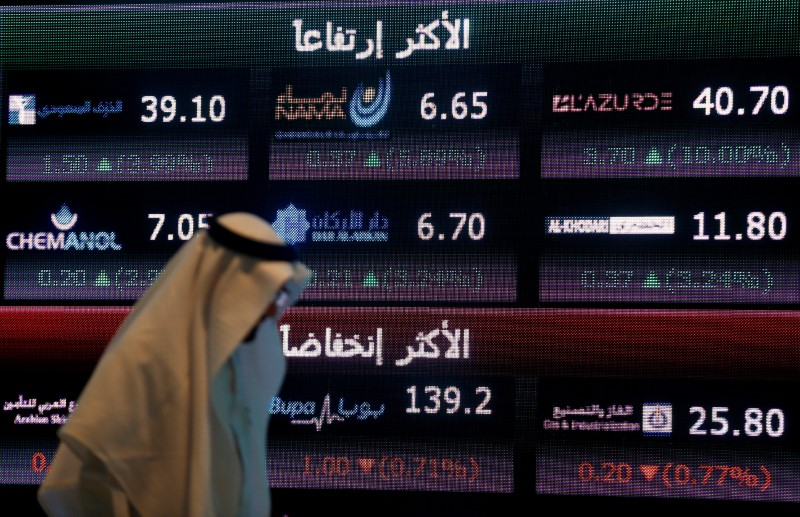
Markets in the Persian Gulf, which opened on Sunday, already showed a nervous reaction. The benchmark Saudi index on the Saudi Exchange fell by more than 4% in the first hours of trading. The Omani market lost about 3%, and the main Egyptian index on the Egyptian Exchange collapsed by 5.44%. In Kuwait, trading was completely suspended on the Boursa Kuwait exchange, highlighting the scale of regional turbulence.
Special attention of market participants is focused on the oil sector. Experts warn about the possibility of a sharp rise in oil prices amid risks to logistics and supplies. In case of further escalation, the price per barrel may approach the level of 100 dollars. The key factor remains the situation around the Strait of Hormuz – a strategic route through which a significant share of global oil and liquefied natural gas supplies passes. Any restrictions on shipping or security threats in this zone could trigger a chain reaction on the global energy market.
Thus, the temporary suspension of trading in the UAE is not only a technical measure but also a signal of the seriousness of what is happening. The region is simultaneously facing military, financial and energy risks. In the coming days, market dynamics will directly depend on the development of the geopolitical situation, the state of infrastructure and the decisions that will be taken by the largest oil exporters.
All content provided on this website (https://wildinwest.com/) -including attachments, links, or referenced materials — is for informative and entertainment purposes only and should not be considered as financial advice. Third-party materials remain the property of their respective owners.