

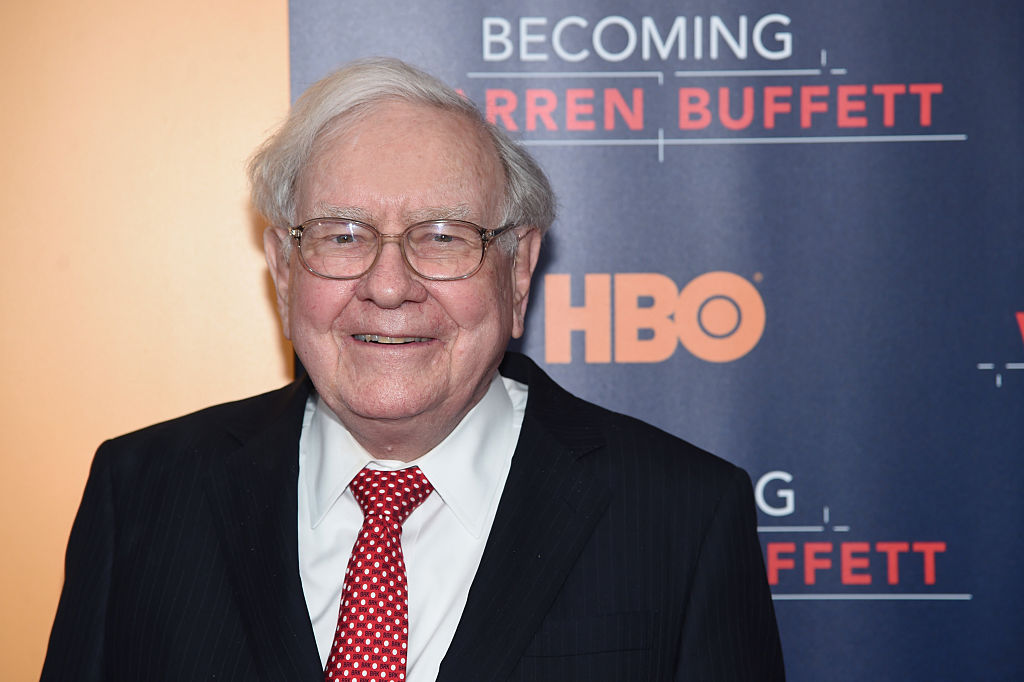
Warren Buffett once said: the best investment is an investment in yourself. This is not an inspirational quote, but a very practical idea that explains why some people grow their capital over the years while others do not, even if they read the same news and look at the same charts.
Most people entering the market start from the wrong place. They immediately look for “that one stock” that will explode. They want to find the next Tesla-level company, buy low, and sell high. Some try to time the perfect entry, others look for undervalued assets, and some chase trends.
All of this seems logical. But there is one problem. If a person does not have sufficient income, discipline, and understanding of how to manage money, even the most successful investment does not change their life. It may produce a one-time result, but it does not create a system. And without a system, capital either does not grow or constantly declines.
The logic is simple: when income grows, the amount of investments grows automatically. When investments increase, compound interest starts working on meaningful sums. And this is where the difference between “playing at investing” and real capital accumulation appears.
Investing in yourself differs because it has no market constraints. Stocks can fall, cryptocurrencies can crash, real estate can stagnate for years. But skills that increase your value in the job market or in business do not disappear during corrections.
Moreover, they work as a multiplier. The same skill can generate income again and again, each time increasing the base from which you invest. This is not a one-time deal, but a continuous source of cash flow.
There is another important point. Any traditional investment requires initial capital. Investing in yourself essentially creates that capital. Without it, all other strategies are limited by your current income.

When Buffett talks about prioritizing self-investment, he is not rejecting the stock market. He is simply setting the order: first comes the ability to earn, then to preserve, and only then to grow wealth through markets. If you reverse these steps, the structure becomes unstable.
What truly delivers results are concrete things. Growth in professional competence that leads to higher pay. The ability to sell and negotiate, which often determines income levels. Financial literacy, without which even high income can easily turn into zero. And language, primarily English, which expands access to opportunities and information.
It is also important to understand one more thing. The market does not pay for effort. It pays for value. You can work hard, read books, follow news, but if this does not translate into income-generating skills, the effect will be minimal.
That is why the key mindset shift happens when a person stops asking “where to make money in the market” and starts asking: “how to increase my ability to earn”.
Only after that do investments start working the way books describe them.
In the end, the conclusion is simple but honest. The most underrated investment is not stocks, not crypto, and not even business. It is yourself – your ability to generate income and make financial decisions.
This foundation determines how much you can invest, how long you can hold positions, and how calmly you can go through any crisis. Everything else is just an addition.
All content provided on this website (https://wildinwest.com/) -including attachments, links, or referenced materials — is for informative and entertainment purposes only and should not be considered as financial advice. Third-party materials remain the property of their respective owners.