

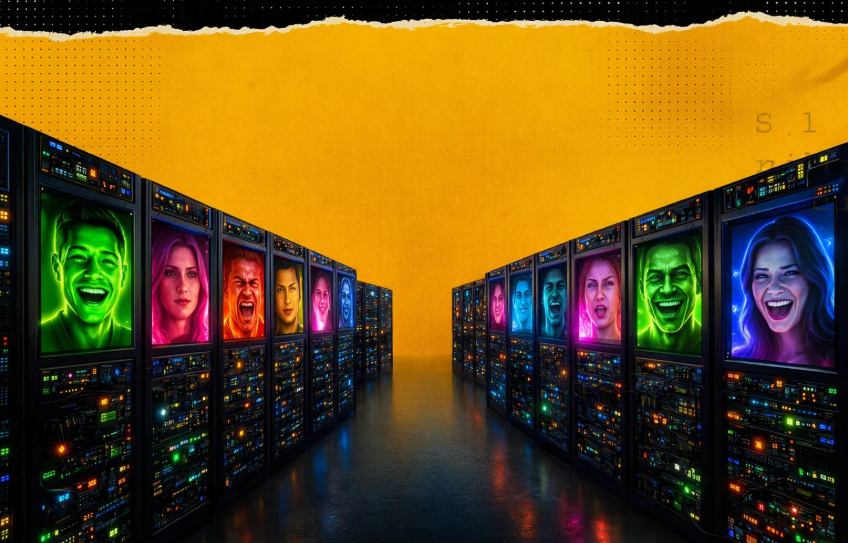
In China, so-called AI farms are being launched on a massive scale – studios where neural networks industrially create virtual hosts for livestream sales. These digital characters stay live around the clock, tirelessly selling cosmetics, household appliances, clothing, gadgets and anything that can be packaged into a “buy now” format. While human bloggers spend time on makeup, script preparation, rehearsals and fighting burnout, AI hosts work 24/7, never ask for breaks and consistently bring their owners about 100 dollars per hour from a single stream.
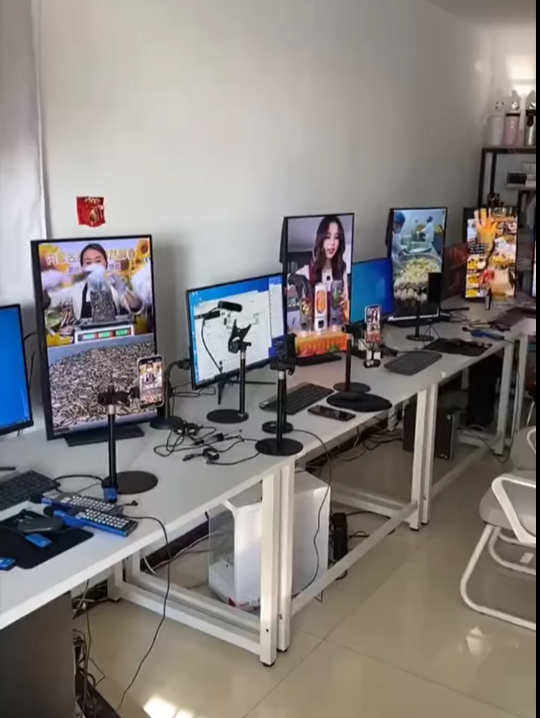
The economics here are maximally cynical and therefore efficient. A virtual host does not need lighting, a studio, a team, a makeup artist or a manager. It will not get sick, miss a contract or leave for a competitor. It can be cloned in unlimited numbers, launched simultaneously in dozens of streams and adapted to different products, audiences and dialects. If one image “doesn’t work,” it is simply replaced with another – without scandals, compensation or apology posts.
The most disturbing aspect is that real people in this system become disposable raw material. A neural network takes a recording of a real person – appearance, facial expressions, voice, manner of speech – and turns it into a digital template. After that, the original is no longer needed. Their image is sent into endless replication, where it smiles, nods and “sincerely recommends” products countless times. In effect, a person sells their face once, and from that point on the market lives without them.
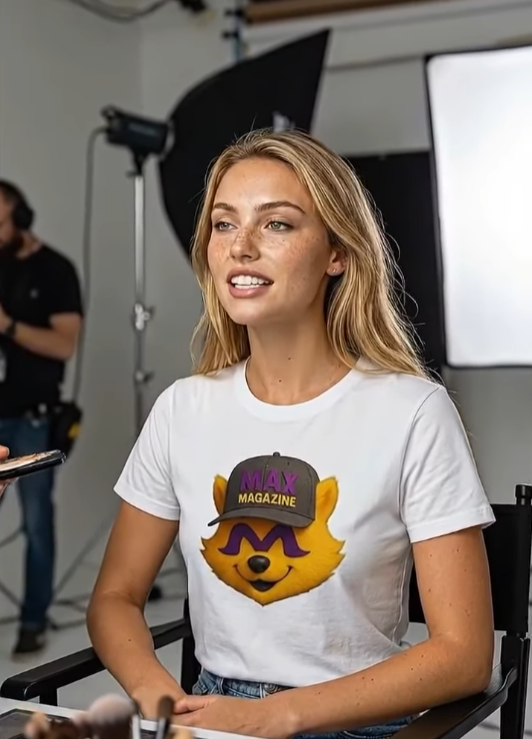
As a result, an ideal conveyor has emerged. Algorithms run dozens of streams in parallel, imitating emotions, spontaneity and engagement. They respond to comments, adapt to viewers’ questions and create a sense of live interaction and purchase urgency. Behind the scenes there is no charisma, no inspiration and no fatigue – only statistics, sales funnels and conversion optimization. The owners of such farms simply watch the numbers and scale successful models.
This is already changing the very nature of online commerce. Livestreaming stops being a “show with a person” and becomes an automated sales channel. The role of emotions and trust does not disappear, but now they are synthesized by code. Sincerity becomes a function, and charisma a parameter that can be adjusted in the settings. Where the most convincing blogger once won, the best algorithm now prevails.
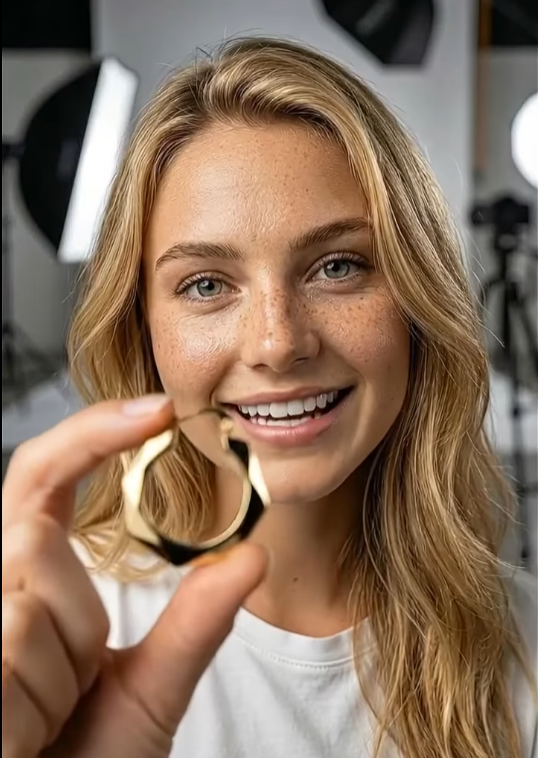
The most ironic outcome is that people are gradually being pushed out not only of production, but also of content consumption. In the future, virtual hosts will sell products to virtual assistants that independently choose optimal offers for their owners. Robots will negotiate with robots, optimizing price, delivery and reviews, while humans remain somewhere in the background – as a source of data and a wallet.
It seems we have indeed reached the point where the future of dystopias has stopped being a hypothesis and become a business model. And, as often happens, it arrived not as a loud revolution, but quietly, routinely and with very healthy margins.
All content provided on this website (https://wildinwest.com/) -including attachments, links, or referenced materials — is for informative and entertainment purposes only and should not be considered as financial advice. Third-party materials remain the property of their respective owners.