

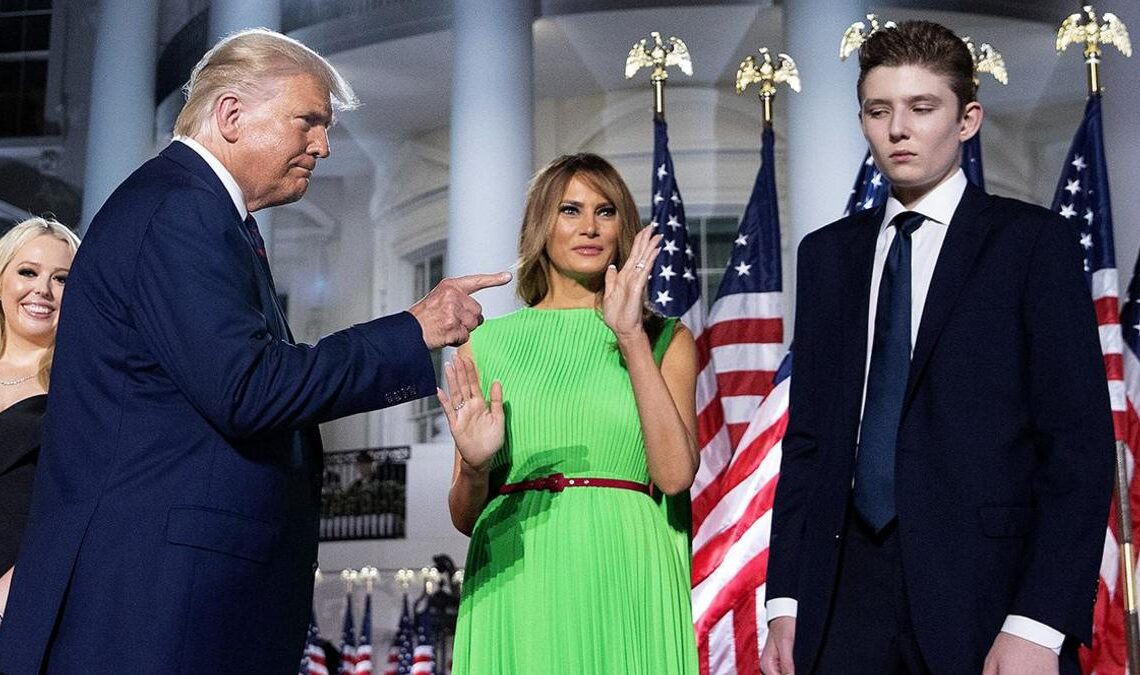
A new high-profile conspiracy theory is spreading on social media, linked to the sharp rise in oil prices and investments by the family of former U.S. President Donald Trump.
Users on the X (Twitter) platform are actively discussing reports that the politician’s son, Donald Trump Jr., allegedly invested around $50 million in oil company stocks shortly before the sharp escalation in the Middle East.
According to the authors of viral posts, the deal took place just days before the military escalation between the U.S. and Iran, which later led to a sharp increase in oil prices. After reports of the conflict and the threat of closing the strategic sea route — the Strait of Hormuz — energy markets reacted instantly.
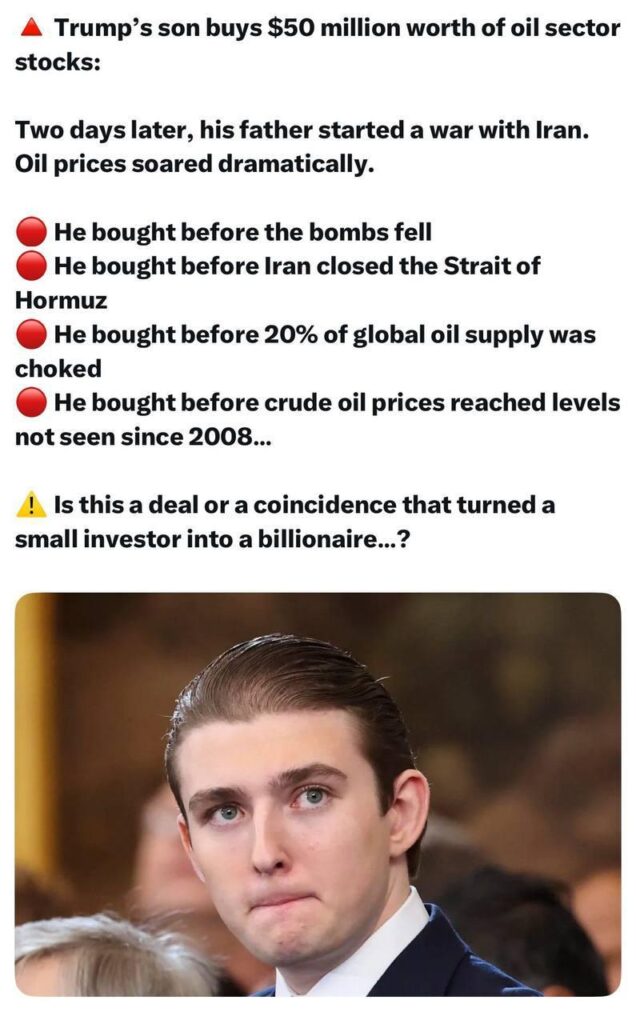
About 20% of global oil exports pass through the Strait of Hormuz, so any risks to shipping in the region immediately trigger a spike in commodity prices. According to traders, amid news of a possible blockade of the route, oil prices surged to levels not seen since the 2008 energy crisis.
Social media users have highlighted the sequence of events:
- Investments in the oil sector were made before the start of military actions;
- The purchase occurred before news about a possible closure of the Strait of Hormuz;
- The deal was concluded before the market began pricing in the risk of losing one-fifth of global oil supplies;
- After that, oil prices sharply increased, automatically raising the value of energy company stocks.
Against this backdrop, questions have arisen online about whether this was simply a successful investment decision or a coincidence that turned a large bet on the oil sector into a highly profitable deal.
So far, there is no evidence of illegal activity or insider trading. Experts note that large investors regularly make bets on the energy sector during periods of geopolitical instability, as oil traditionally becomes the main beneficiary of international crises.
Nevertheless, the story is already gaining traction online. Hashtags related to the Trump family, the energy market, and the Middle East conflict are rapidly spreading across social media, and the discussion has quickly turned into a new wave of theories about who could have known about the upcoming oil market crisis in advance.
For financial markets, however, the main question remains: how long will high oil prices hold, and could the geopolitical escalation lead to even more serious shocks for the global economy?
All content provided on this website (https://wildinwest.com/) -including attachments, links, or referenced materials — is for informative and entertainment purposes only and should not be considered as financial advice. Third-party materials remain the property of their respective owners.