

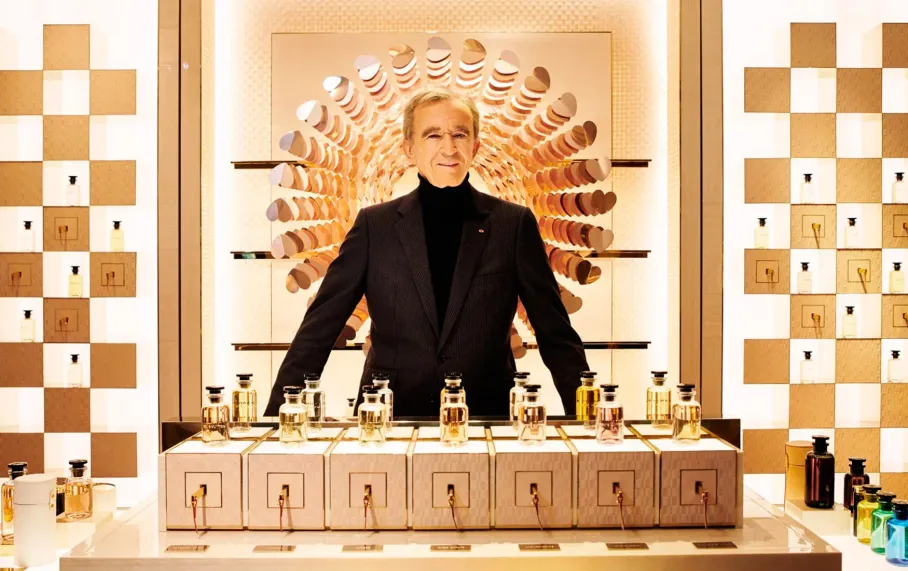
Bernard Arnault, the head of LVMH, is known not only as the owner of brands such as Dior and Louis Vuitton, but also as a man who does not accept the word “no” and does not know how to lose. These qualities helped him build a fashion empire that has become a symbol of French luxury and to amass a fortune of more than $100 billion. Stopping, by the way, is not part of his plans.
Once, Arnault told a story that immediately shows why luxury brands guard their reputation so strictly. It is a story about Rolex that seemed to us, although short, quite interesting.
Imagine a boutique: perfectly polished display cases, soft lighting, every watch mechanism not just a device for measuring time, but a true art object. And then a person walks in with a counterfeit watch and asks, “Please repair it.”

The staff take the watch, pretend to work on it, but there is one subtlety: this watch is never returned to the client. What do they tell the person if they demand their “time treasures” back? Supposedly a standard inspection procedure, a possible loss, or any other official wording – Rolex keeps the intrigue and does not disclose details.
It is worth noting: we did not verify how accurate this story is, but it illustrates the principle well – in the world of the authentic, the authentic is valued. A fake may enter through the door, but it never leaves the boutique.
This story speaks volumes: about the rigidity and precision of processes, about the fact that reputation matters more than short-term profit, and about the unshakable nature of true luxury. And there is a touch of humor in it: a person comes in with a fake, thinking they can fool the masters, and in the end… they are fooled by the process itself.
The moral is simple: if you want to touch the world of the real – bring the real thing. Everything else disappears as if it never existed.
All content provided on this website (https://wildinwest.com/) -including attachments, links, or referenced materials — is for informative and entertainment purposes only and should not be considered as financial advice. Third-party materials remain the property of their respective owners.