

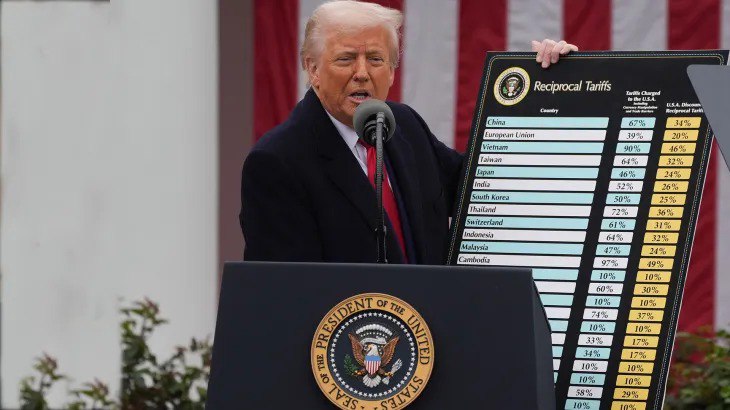
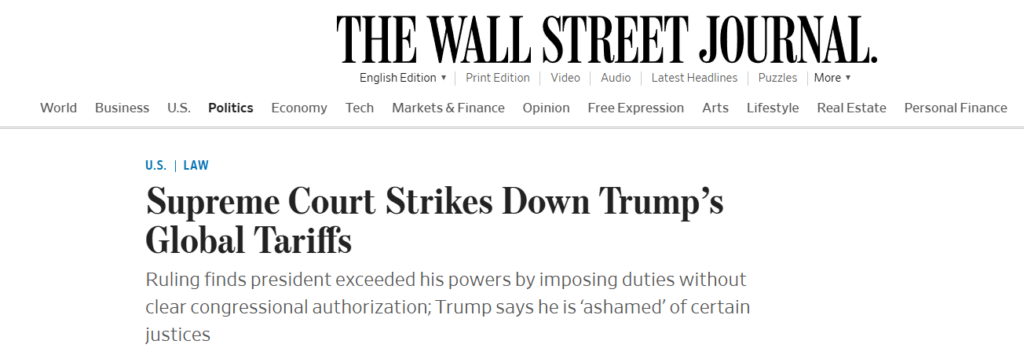
A case has unfolded in the Supreme Court of the United States that may enter textbooks on both constitutional law and economics. By a six-to-three majority, the Court ruled that Donald Trump exceeded his authority when imposing sweeping tariffs on imports into the United States.
The tariffs had been promoted by the White House as a tool to protect American industry and pressure trading partners. However, the Court determined that a president cannot unilaterally reshape trade policy on such a scale without a clear mandate from Congress.
According to experts, if the tariffs are ultimately struck down, the U.S. government may have to return up to $150 billion to businesses and importers — duties collected during their enforcement. For the federal budget, the figure is significant; for markets, it signals an abrupt shift in the rules of the game.
The president reacted sharply. He called the Court’s decision “a disgrace” and claimed it had yielded to foreign interests.
“I believe the Court has been influenced by foreign interests and a political movement that is much smaller than people think, but unpleasant, ignorant, and loud,” he said. “But now the Court has given me unquestionable authority to prohibit the importation of various things into our country — and that authority is far more powerful than many believed.” Moreover, Trump quickly signed a new executive order introducing a global 10% tariff on goods from all countries.
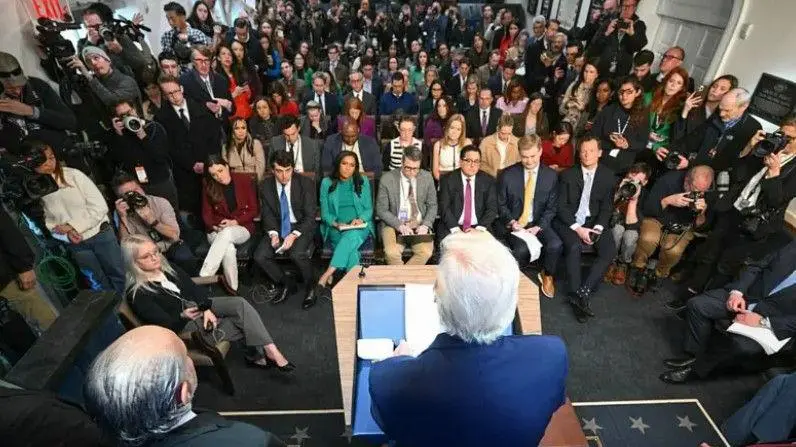
In effect, this represents an attempt to approach the issue from another angle — using alternative legal mechanisms. Treasury Secretary Scott Bessent confirmed that the administration would seek other legal grounds to preserve tariffs, ranging from national security laws to measures addressing “unfair trade practices.”
This means one thing: the trade war is not over — it has simply shifted from the economic battlefield to the legal arena.
Why did markets react instantly?
Investors hate uncertainty — and suddenly there is more of it than tariffs themselves.
Gold and silver
Precious metals emerged as key beneficiaries.
- Weaker tariffs = reduced inflationary pressure.
- But simultaneous political instability = increased demand for safe havens.
When the world’s largest economy balances between court rulings and executive orders, gold feels at home. Silver typically follows, though with greater volatility.
The dollar
If the federal budget indeed faces tens of billions of dollars in refunds, fiscal pressure will intensify. This could weaken the dollar in the medium term, especially if trade policy becomes erratic.
Bitcoin
The crypto market thrives on turbulence. Political instability? Doubts about institutional resilience? Geopolitical tension? For Bitcoin, these often act as fuel. Many investors view it as a hedge against systemic risk and excessive monetary expansion.
However, there is a caveat: if tariff wars slow global growth, risk assets — and Bitcoin remains one — may face pressure alongside equities.
What does this mean strategically?
This is more than a dispute over tariffs. It is about the balance of power in the United States — where presidential authority ends and congressional and judicial oversight begins. The Supreme Court’s decision serves as a reminder that even a strong administration cannot fully bypass the system of checks and balances.
Yet the White House has made it clear: it has no intention of backing down. The battle will now unfold on different legal grounds — through national security statutes, specialized trade mechanisms, and new regulatory tools. Tariffs may return — simply under a different legal banner.
What comes next?
- High market volatility.
- Support for gold and silver as defensive assets.
- Growing interest in alternative instruments — from commodities to cryptocurrencies.
- Pressure on global trade if “Plan B” is implemented.
History shows that trade wars rarely end quickly — and almost never elegantly. Markets, as always, will vote not with slogans, but with capital.
All content provided on this website (https://wildinwest.com/) -including attachments, links, or referenced materials — is for informative and entertainment purposes only and should not be considered as financial advice. Third-party materials remain the property of their respective owners.