

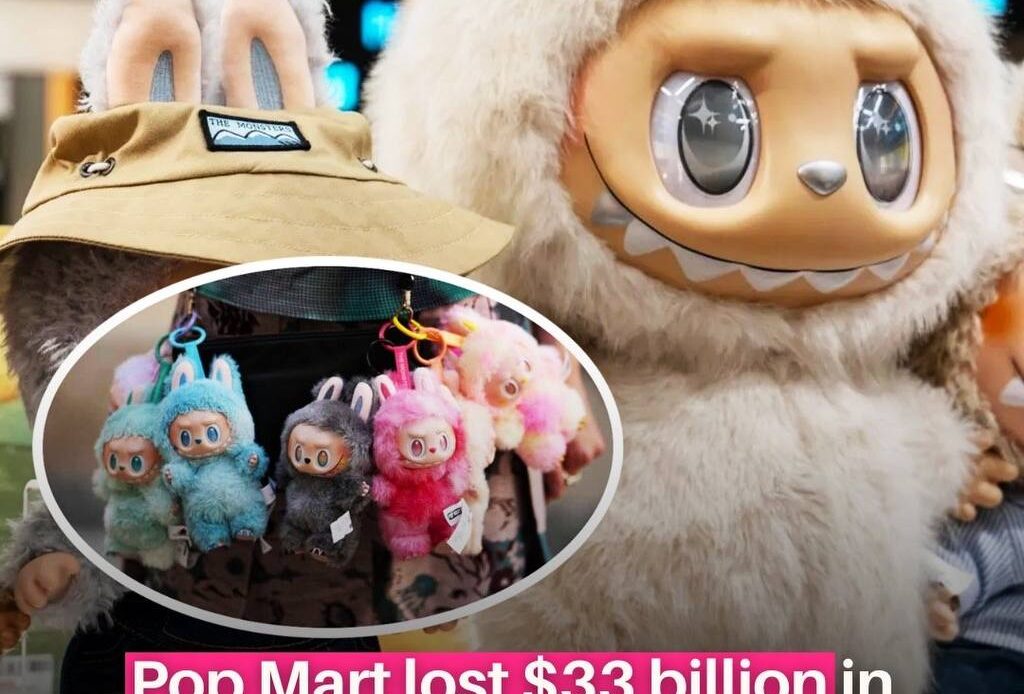
The situation with Pop Mart now looks like a classic example of how the market first falls in love and then suddenly sobers up — without warning and without discounts for past achievements.
The frenzy around Labubu действительно turned Pop Mart into one of the most talked-about and fastest-growing companies in the global consumer goods market. It was almost a perfect storm: a viral product, cult status among the audience, hype on social media, and the effect of “collectible scarcity,” when people buy not because they need it, but because they might miss out.
Financial results only added fuel to the fire. In 2025, the company reported numbers that in any other situation would have received a standing ovation. Revenue reached $5.4 billion, growing 185% year-over-year. Net profit increased more than fourfold. Formally, this is a hypergrowth story investors dream about.
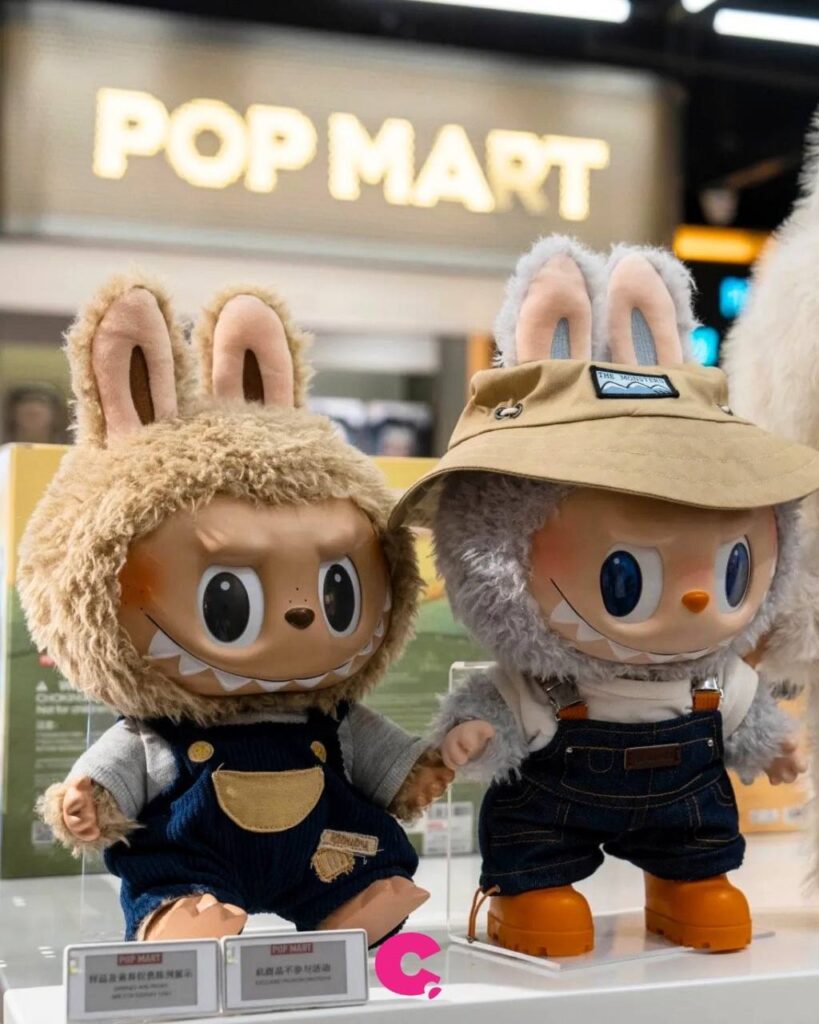
But the market, as often happens, looks not at the past, but at the future. And this is where the narrative starts to turn. Immediately after the report was released, Pop Mart shares dropped by more than 30% in just five trading sessions. And looking more broadly, from the August 2025 peak, the company has already lost nearly 60% of its value. In monetary terms, this is about $33 billion in market capitalization that literally evaporated.
The reason for the decline lies not in the numbers, but in their structure. The main growth driver — Labubu — has simultaneously become the main risk. If a year ago it accounted for about 23% of revenue, now it is already around 40%. This is no longer just a successful product — it is a system-forming element of the business. And this is exactly where investors start to get nervous.
Because the market knows this story too well. One hit means growth. One hit that becomes half of the business means dependency.
At the same time, other key characters of the company, such as Crybaby and Molly, delivered weaker-than-expected results. And this reinforces the main fear: the company may not have a “next Labubu.”
At this point, the entire valuation logic changes. Investors stop asking “how fast is the company growing” and start asking “what happens if growth stops.” In fact, the market is not betting against Labubu — on the contrary, the product remains strong. The bet is against risk concentration. Against the idea that the entire success depends on a single character.
The company tried to respond in a classic way — announcing a $166 million share buyback program. This is a signal to the market: “we are confident and believe the stock is undervalued.” But in this case, the effect was minimal. Because a buyback can support the price, but it does not change the fundamental story.
The CEO continues to reassure investors, repeating that Pop Mart is not just Labubu. And theoretically, he is right. The company has a portfolio of brands, strong distribution, and experience in creating viral products.
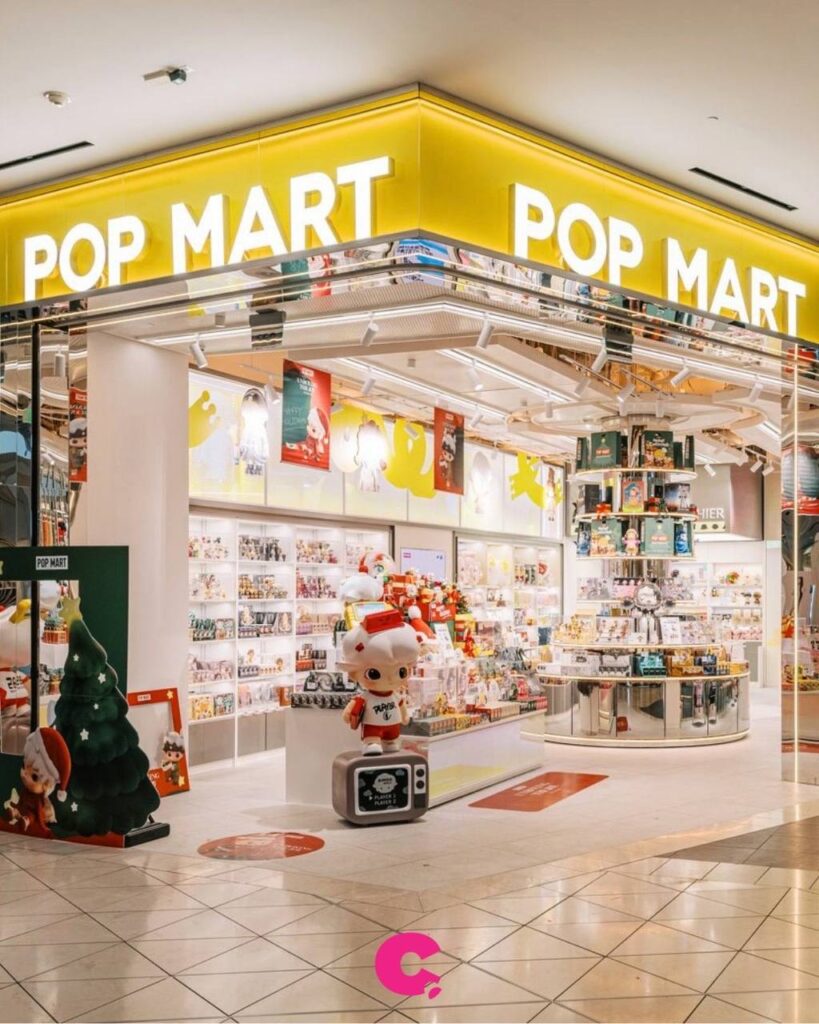
But the market is stubborn. It believes not in words, but in revenue diversification. Looking more broadly, this situation is not only about Pop Mart. It is a typical story for the entire entertainment and consumer brands industry. From toys to streaming — the same formula works everywhere: one hit can build a company, but it cannot sustain it indefinitely.
Now Pop Mart has reached a point where it must prove that it can create not just trends, but a system for reproducing them. In other words, not one viral product, but a pipeline of hits. And that is a completely different challenge.
In the end, the picture is довольно harsh, but honest. Pop Mart is not “falling” — it is going through a painful revaluation phase. The market stops paying for hype and starts demanding sustainability. And as practice shows, that is much harder than creating a perfect Labubu once.
All content provided on this website (https://wildinwest.com/) -including attachments, links, or referenced materials — is for informative and entertainment purposes only and should not be considered as financial advice. Third-party materials remain the property of their respective owners.