

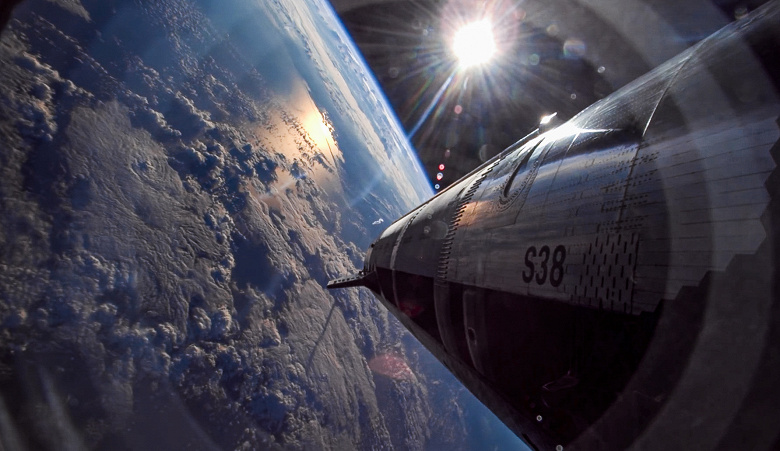
Elon Musk has announced a strategic consolidation of his key assets into a single mega-project. SpaceX has acquired xAI, the company he also founded and the developer of the Grok chatbot, and is effectively integrating the xAI-controlled social network X into a unified corporate structure. This was stated in an official SpaceX announcement and confirmed by Bloomberg sources.
According to the company, the deal is aimed at creating “the most ambitious, vertically integrated innovation center on Earth and beyond.” This is not merely the acquisition of an AI startup, but the formation of an ecosystem that brings together artificial intelligence, rocket technology, satellite internet, direct connectivity to mobile devices, and one of the world’s largest real-time information exchange platforms. All of this, SpaceX emphasizes, is intended to operate under the principles of free speech and technological sovereignty.
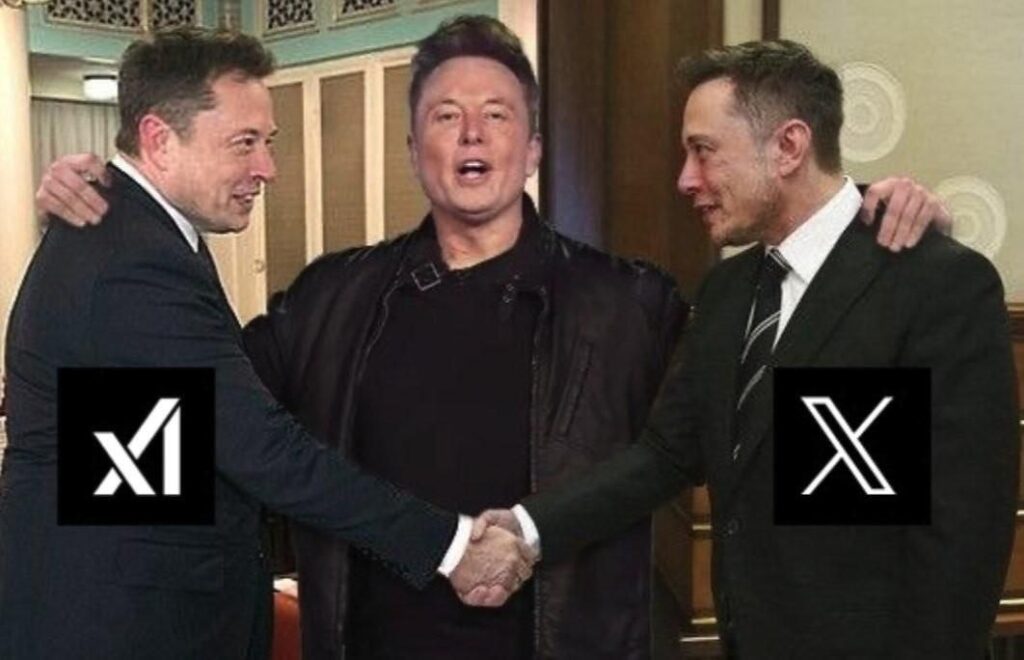
In practice, Musk is assembling all the core components of a future digital-space infrastructure within a single framework:
- SpaceX as the transport and orbital platform,
- Starlink as the global internet layer,
- xAI as the “brain” of the system,
- X as a source of data, public discourse, and real-time feedback.
Bloomberg estimates that shares of the combined entity would be valued at around $527 each, with total capitalization potentially reaching $1.25 trillion. If confirmed, this would place the new corporation among the world’s most valuable technology companies, comparable to Apple, Microsoft, and Saudi Aramco.
The core objective of the merger goes far beyond traditional AI business models. Sources close to the deal claim that the strategic focus is on deploying artificial intelligence data centers directly in Earth’s orbit. This could potentially address several major challenges at once:
- the shortage of electricity for AI infrastructure on Earth,
- overcrowding of terrestrial data centers,
- dependence on local regulators and national jurisdictions,
- data transmission latency.
Orbital data centers combined with Starlink could provide near-instant global access to computing resources, fundamentally reshaping the architecture of the internet and AI services. In such a scenario, Grok and other xAI products would gain not just an advantage, but a new kind of infrastructure-level monopoly.
Bloomberg insiders also report that once the deal is completed, SpaceX’s valuation will officially be set at $1.25 trillion, and the company may go public as early as this summer. If the IPO takes place, it would rank among the largest in financial market history and is likely to attract enormous interest from both institutional investors and private capital.
For Musk, this is a logical, albeit extremely ambitious, move. He has long promoted the idea of vertical integration – from physical infrastructure to software intelligence and user platforms. The merger of SpaceX, xAI, and X transforms previously separate assets into a single system capable not only of competing with Big Tech, but of setting new rules for the industry.
In essence, Musk is betting on a future in which AI, space, and communications cease to be separate sectors and merge into one. And if this vision is realized even partially, it would represent not just the creation of a new company, but the emergence of a new technological era.
All content provided on this website (https://wildinwest.com/) -including attachments, links, or referenced materials — is for informative and entertainment purposes only and should not be considered as financial advice. Third-party materials remain the property of their respective owners.