

Imagine a world where Apple is returning to the field of wearable devices — but not just smartwatches or glasses, rather something that literally hangs on your clothing and sees the world through your eyes. Small form factor, huge ambitions, and seemingly little time left: OpenAI, Google, and the entire zoo of “pocket assistants” are already out there, becoming smarter and more intrusive every day.
The wearable AI category is, however, toxic. The Humane story is a clear example: they tried to sell the world their AI Pin as a phone replacement, faced waves of returns, and eventually sold assets to HP for $116 million.
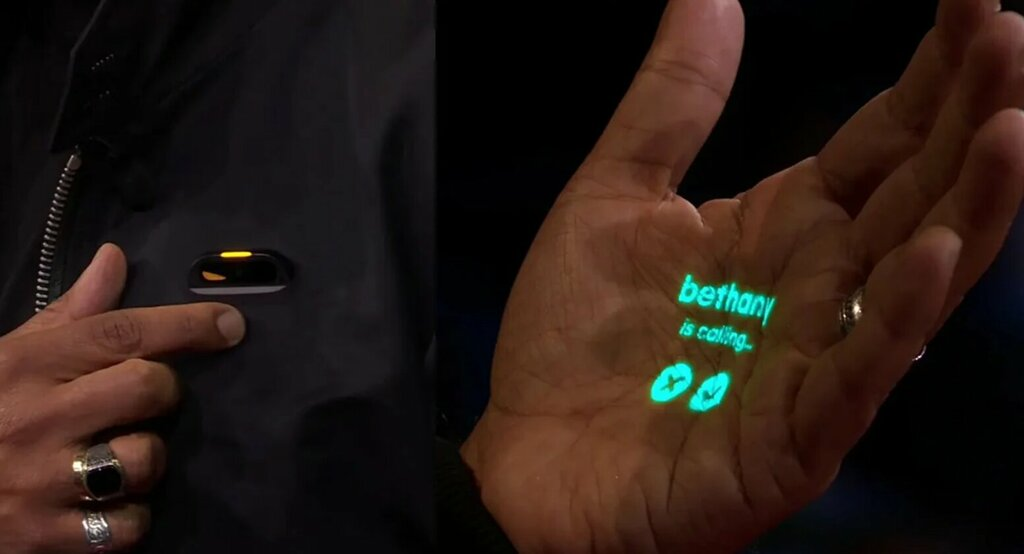
But Apple is going the same way despite the market’s toxicity, with a much larger plan: “we have iPhone, iPad, Mac, and our own OS — we will capture the layer of control.” And that’s perhaps the key point: Apple is betting not just on a device, but on a new level of interface integrated into users’ lives.
Facts that show the scale:
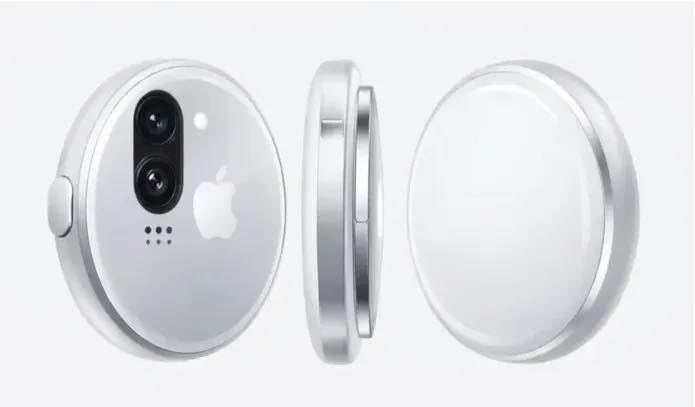
- The Information reports that Apple is developing an AI Pin roughly the size of an AirTag. Release is targeted for 2027, with an initial production of up to 20 million units — an astronomical number for this type of device.
- Hardware: two cameras, three microphones, Apple Watch–style magnetic charging, worn on clothing or a bag. This is not a gadget you take out once a day, but a device that lives with you, sees and hears the surrounding world.
- Inside Apple, there is reportedly pressure to speed up timelines to keep up with OpenAI, which is also working on consumer devices and testing its own AI assistant form factors.
New Siri, code name Campos
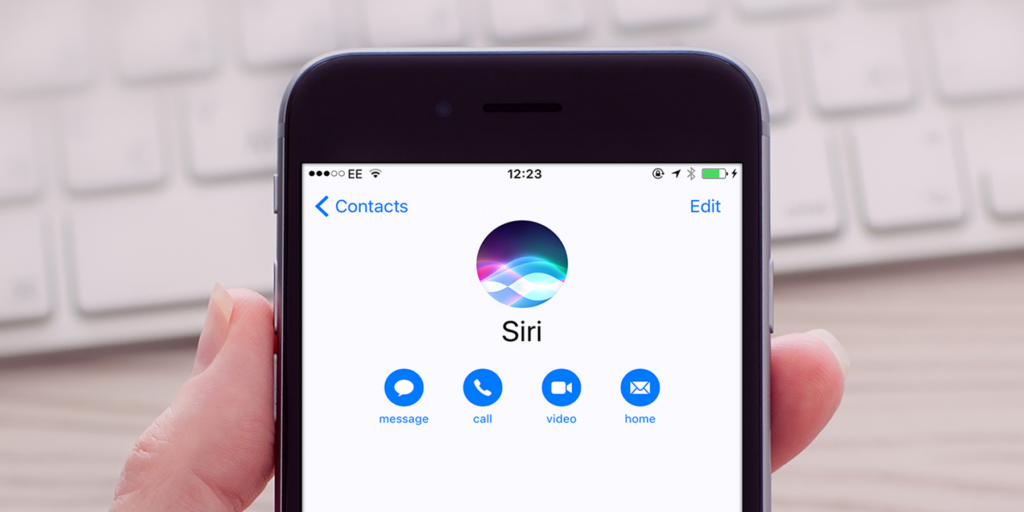
- Bloomberg: Apple is preparing a new Siri as a built-in chatbot with deep integration in iPhone, iPad, and Mac.
- Reuters, citing Bloomberg: Campos is planned as a key feature of iOS 27 and related systems. This is not just a voice assistant update — it’s a new interface that lives within every Apple ecosystem.
Fundamental partnerships
- Apple and Google have officially confirmed a multi-year deal: future Apple Foundation Models will rely on Gemini and Google’s cloud infrastructure. This applies to Siri and Apple Intelligence. In other words, Apple is bringing AI into devices and OS at the cloud level, but with control remaining with Apple.
Lessons from the past
- Humane sold around 10,000 units, but returns at one point exceeded sales. Assets eventually went to HP. This illustrates how quickly the wearable AI market can “explode” and lose trust capital.
Why Apple is different
Apple is attempting to capture the next interface. The AI Pin is the “eyes and ears” on the user. The Siri chatbot is the brain in the system, living on every device. If the concept succeeds, the assistant ceases to be just an app and becomes a layer controlling your entire life: what you saw, said, where you went, what you decided, what you bought. This makes Apple’s bet extremely dangerous for competitors: they get a system-level player controlling hardware, OS, and user sensors, while users get always-on sensors wrapped in convenience.
For privacy and the smart assistant market — 10/10 in complexity
Apple integrates AI not only into apps, but directly into hardware, OS, and a clothing-mounted camera. Privacy questions become extremely sharp: what counts as recording? where is consent? who stores and analyzes the data? what stays on the device and what goes to the cloud? And if Apple truly launches 20 million units initially, the debate over “wearing a camera” could end in just one season.
Conclusion
Apple is not just making a gadget — it is trying to capture a new layer of control over users’ lives. The Pin is the eyes, microphones, sensors. Campos is the brain. Together, this turns the AI assistant into a permanent, omnipresent, and ecosystem-integrated observer and advisor. For competitors, it is a systemic threat; for users, it is a new level of convenience that will be hard to ignore.
All content provided on this website (https://wildinwest.com/) -including attachments, links, or referenced materials — is for informative and entertainment purposes only and should not be considered as financial advice. Third-party materials remain the property of their respective owners.