

Amazon is gaining momentum in the food segment — and this is already noticeably reshaping the market landscape.
In the second half of 2025, Amazon sharply accelerated growth in the fresh-food category. According to Morgan Stanley, sales in this segment doubled year over year, which for a mature and traditionally low-margin grocery market seems almost audacious. Not long ago, groceries were considered a weak spot for Amazon; now, the company has clearly found a working formula.
The key change is logistics and customer convenience. Amazon has completely removed the boundary between regular online purchases and groceries. One cart instead of fragmented orders, same-day delivery, and free shipping for Prime subscribers on orders over $25 have made buying food as routine as ordering a cable or batteries. Groceries are no longer a “special” order but part of everyday consumption within the ecosystem.
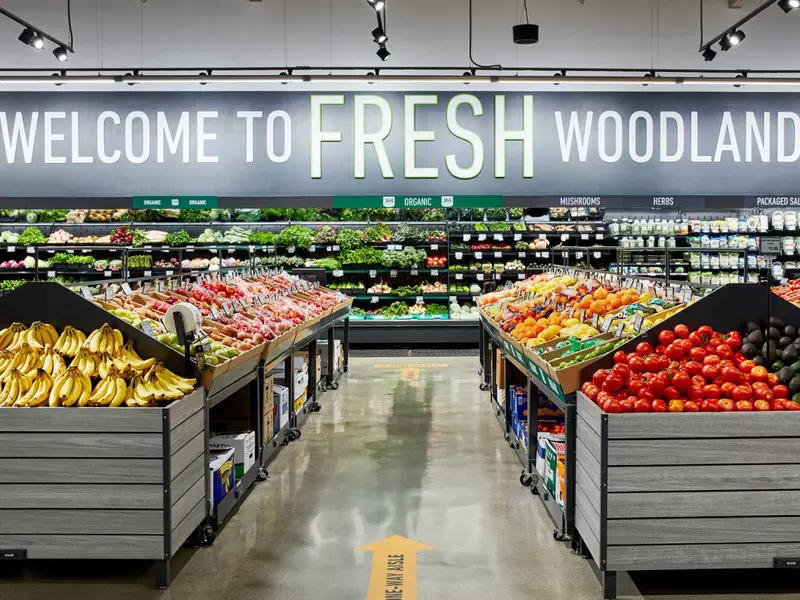
Strategically, this is an extremely important step. Grocery purchases are repetitive, regular, and high-frequency. A customer might buy electronics once a year, but bread, meat, and fruits are purchased weekly. This translates into GMV growth, higher user retention, and increased Prime subscription value. For Amazon, groceries are not just a category but a tool to tie the customer to the ecosystem.
At the North American level, this is already reflected in noticeable revenue growth and potentially a reassessment of Amazon’s long-term valuation. The market is beginning to see groceries not as an experiment, but as another stable source for scaling the business.
For competitors, the outlook is less optimistic. Instacart is under serious pressure, as Amazon is effectively taking its key advantage — fast grocery delivery. DoorDash also feels the risk, though moderate for now, since the service remains strong in restaurants and prepared meals. Walmart, in turn, holds its positions better than others thanks to its logistics, offline network, and grocery retail experience, but it too has to accelerate.
The conclusion is clear. Step by step, Amazon is turning groceries into another pillar of the Prime ecosystem. Without flashy statements or announcements, the company is doing what it does best: taking users’ everyday habits and scaling them through logistics, subscriptions, and technology. For the market, this means intensified competition, and for Amazon, another stable source of long-term growth.
All content provided on this website (https://wildinwest.com/) -including attachments, links, or referenced materials — is for informative and entertainment purposes only and should not be considered as financial advice. Third-party materials remain the property of their respective owners.