

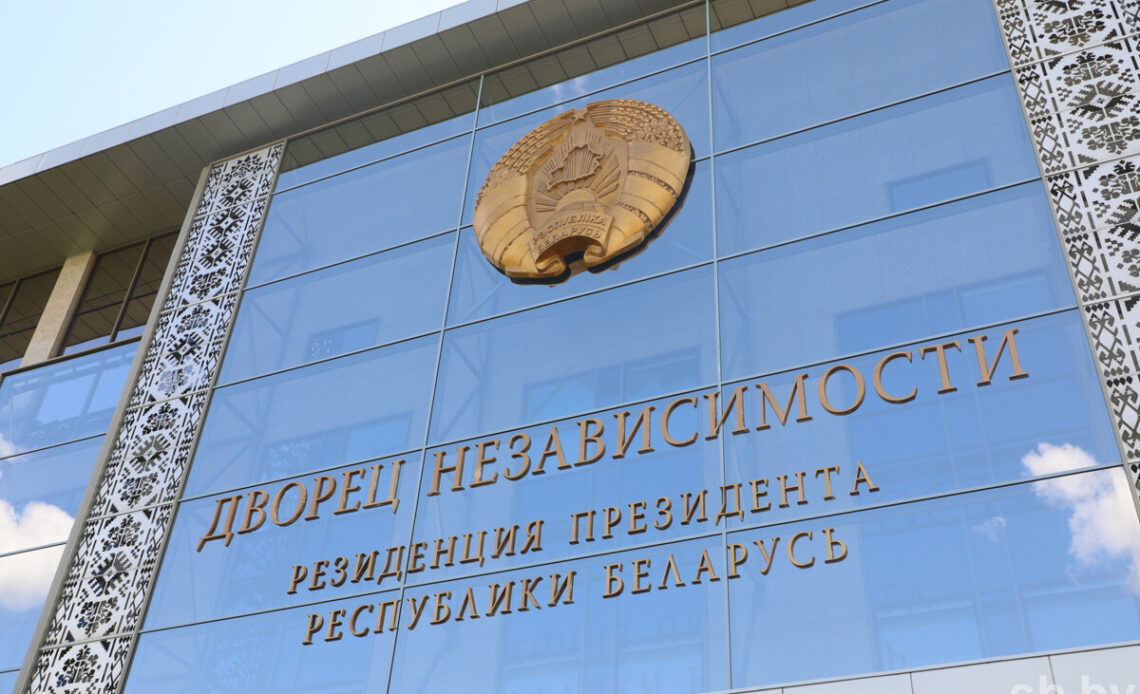
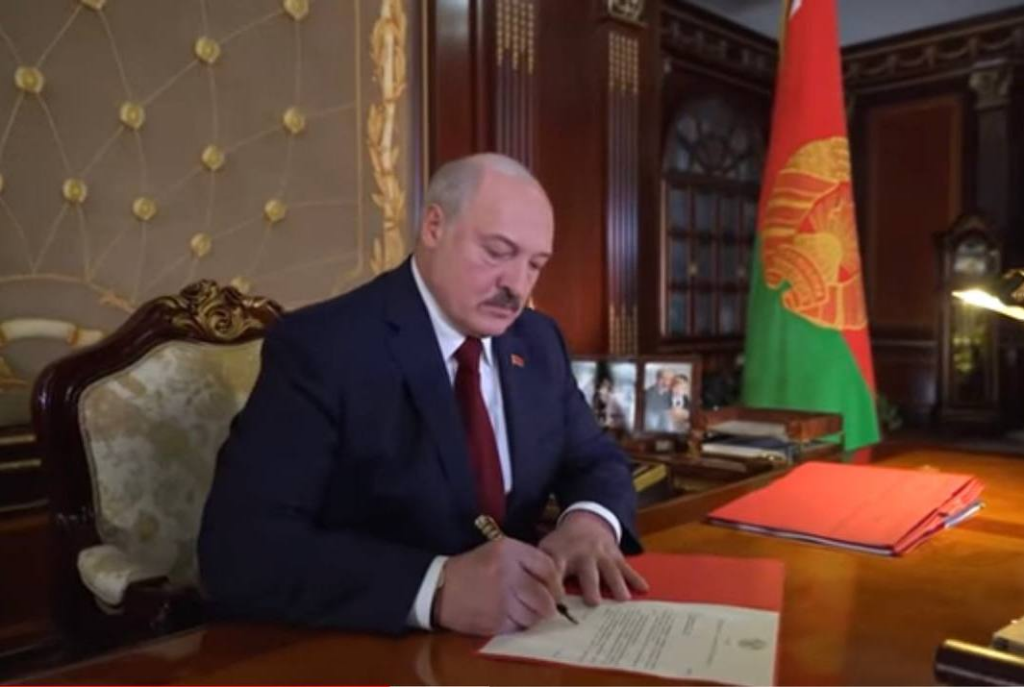
The President of Belarus, Alexander Lukashenko, today (January 16, 2026) signed Decree No. 19 “On Crypto Banks and Certain Issues of Control in the Sphere of Digital Signs (Tokens)”. This was reported by the state agency BELTA, citing the press service of the head of state. The document lays the legal foundation for the emergence of crypto banks in the country and significantly updates the rules governing digital assets.
The decree is positioned as a step toward strengthening Belarus’s image as one of the flagships in the field of financial IT technologies. In essence, it represents an attempt to institutionalize the crypto industry and integrate it into the existing banking system, while not abandoning strict state control.
What a crypto bank means in Belarus
According to the document, a crypto bank is defined as a joint-stock company that is permitted to combine operations with digital signs (tokens) with classical banking, payment, and other financial services. This means that a crypto bank can simultaneously work with digital assets and perform functions close to those of traditional financial institutions.
However, access to the market will be strictly limited. To obtain crypto bank status, an organization must:
- be a resident of the High-Tech Park (HTP);
- be included in a special register of crypto banks maintained by the National Bank of Belarus.
Thus, crypto banks are embedded from the outset into the existing HTP ecosystem, which has previously become a key platform for the legalization and development of IT and crypto projects in the country.
Dual regulation as the basis of the model
One of the key features of the new approach is so-called dual regulation. Crypto banks are required simultaneously to:
- comply with the legal requirements applied to non-bank credit and financial organizations;
- follow the decisions and regulations of the Supervisory Board of the High-Tech Park;
- remain under the supervision of the National Bank.
In practice, this means that a crypto bank will be controlled by several institutions at once. On the one hand, this reduces regulatory risks for the state and increases transparency of operations. On the other hand, it imposes serious constraints on business flexibility and the speed of innovation.
What this changes for the digital asset market
According to the authorities’ concept, this model should allow crypto banks to offer clients hybrid financial products. These products are intended to combine the reliability and formal protection of classical banking operations with the technological efficiency, speed, and convenience of working with tokens and digital assets.
In practice, this may include:
- custody of digital assets with a bank-level security standard;
- payments and settlements using tokens;
- integration of crypto operations into familiar financial services;
- development of new investment and settlement instruments based on digital signs.
In theory, Belarus is attempting to create a “crypto bank without anarchy” format, where innovation exists, but strictly within rules and under supervision.
Political and economic context
The adoption of Decree No. 19 fits into Belarus’s long-term strategy of developing the High-Tech Park as a showcase of the digital economy. Previously, the country was among the first in the region to legalize operations with cryptocurrencies and tokens under a special legal regime. The new document goes further, moving the crypto sphere from an experimental status to a more institutional format.
From a political perspective, this is a signal of a desire to maintain control over financial flows while not closing the door to technological solutions. The state is clearly not ready to hand the crypto market over to self-regulation, but it can no longer fully ignore it either.
What’s next
The emergence of crypto banks in Belarus will depend not so much on the text of the decree as on how it is implemented in practice. Key questions remain:
- how strict the supervision of the National Bank will be;
- which specific operations will be permitted for crypto banks;
- how attractive this regime will be for businesses and investors;
- whether dual regulation will truly stimulate innovation or stifle it at the outset.
Nevertheless, the very fact that the decree has been signed makes Belarus one of the few countries where crypto banks are not merely discussed but are given a clear legal definition. And although the model appears cautious and highly controlled, it creates a precedent that will be closely watched beyond the country’s borders as well.
All content provided on this website (https://wildinwest.com/) -including attachments, links, or referenced materials — is for informative and entertainment purposes only and should not be considered as financial advice. Third-party materials remain the property of their respective owners.