

A Reddit user shared a story that clearly shows how ruthless self-custody in cryptocurrencies can be. One single typo deprived him of access to his bitcoins for a full seven years.
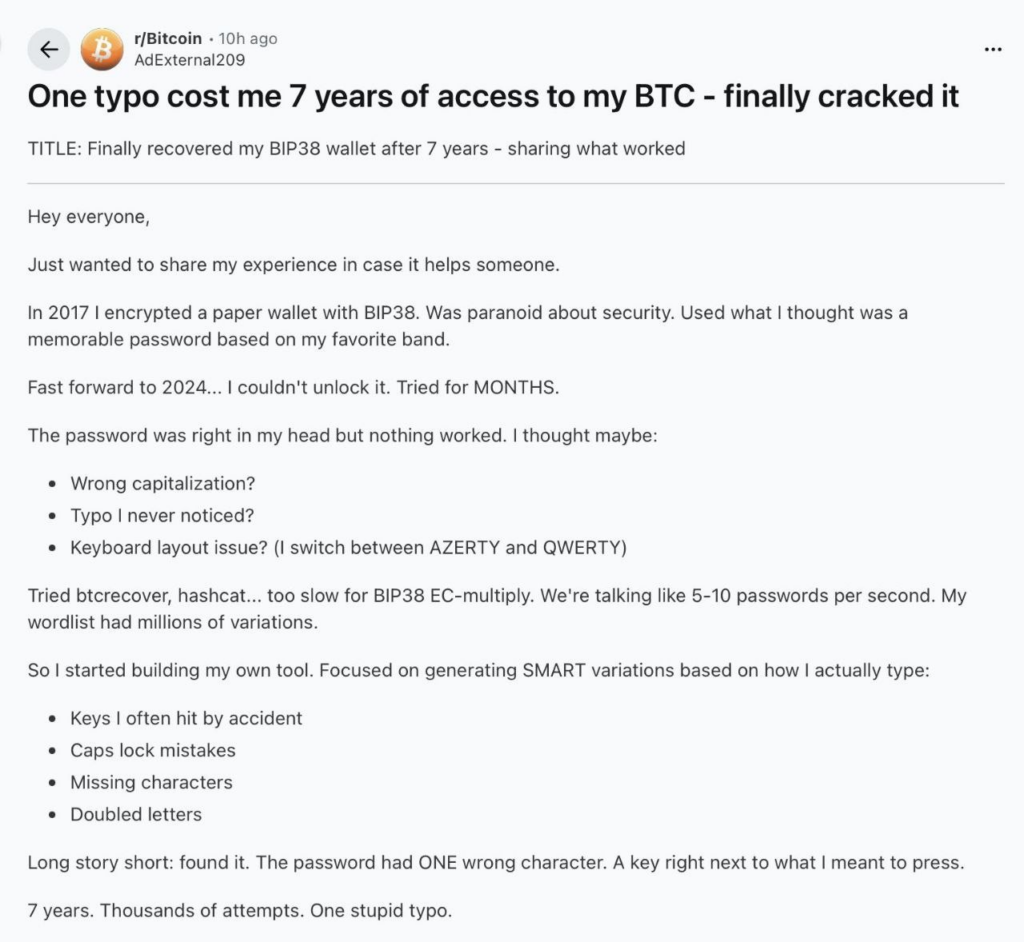
In 2017, amid the general hype around Bitcoin, he decided to take security as seriously as possible. He created a paper wallet and encrypted it using the BIP38 standard. He chose a password that, at the time, seemed perfect to him: complex enough, yet based on the name of his favorite music band — something that was “impossible to forget.”
At the time, this seemed logical. The paper wallet was stored physically, the encryption was considered reliable, and the password itself lived in his head as something obvious and familiar. No problems were expected.
But in 2024, when it was time to restore access, the nightmare began. The wallet would not open. The password he remembered did not work. He tried again and again, cycling through variations for months. He changed letter capitalization, checked for possible typos, and suspected keyboard layout issues — especially since he regularly switches between AZERTY and QWERTY.
He turned to recovery tools: btcrecover, hashcat. However, it quickly became clear that BIP38 with EC-multiply is not a case where you can simply “brute-force everything.” The speed was extremely low: around 5–10 passwords per second. At the same time, his list of possible variants contained millions of combinations. A full brute-force attempt would have taken years.
At some point, he realized that standard tools would not help. So he began writing his own tool, focused not on abstract cryptography but on human behavior. He started modeling how he himself actually types:
- which keys are most often pressed accidentally
- where finger slips are likely
- Caps Lock mistakes
- missing characters
- doubled letters
This was not hacking, but a painstaking reconstruction of his own mistakes from seven years earlier. And eventually, the password was found.
The difference between the correct and incorrect version was exactly one character. A neighboring key had been pressed. One wrong symbol turned a fully functional wallet into an inaccessible vault for seven years.
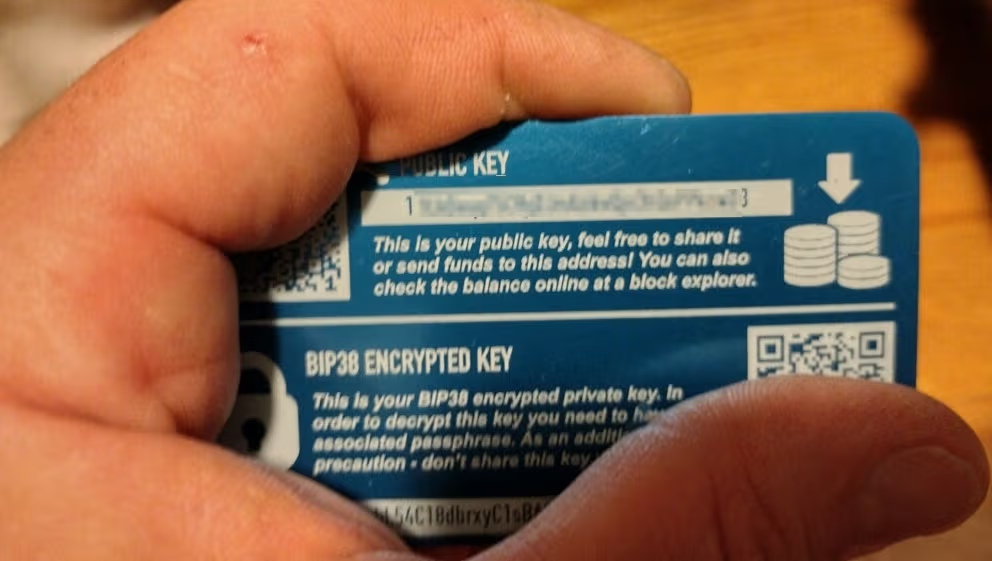
No magic. No system failure. BIP38 worked exactly as intended: either the password matches perfectly, or there is no access. No exceptions, no “restore via support,” no second chances.
This story became a painful but very clear reminder: in cryptocurrencies, responsibility is truly absolute. Self-custody gives freedom and control, but in return it does not forgive even microscopic mistakes. One wrong character can cost not only nerves, but years of waiting. That is why experienced users repeat the old mantra over and over again: verification, backups, test transactions, and double-checking everything. In the world of crypto, patience matters — but precision matters more.
Seven years. Thousands of attempts. And one typo. In crypto, this is not a bug. It is the rule.
All content provided on this website (https://wildinwest.com/) -including attachments, links, or referenced materials — is for informative and entertainment purposes only and should not be considered as financial advice. Third-party materials remain the property of their respective owners.