

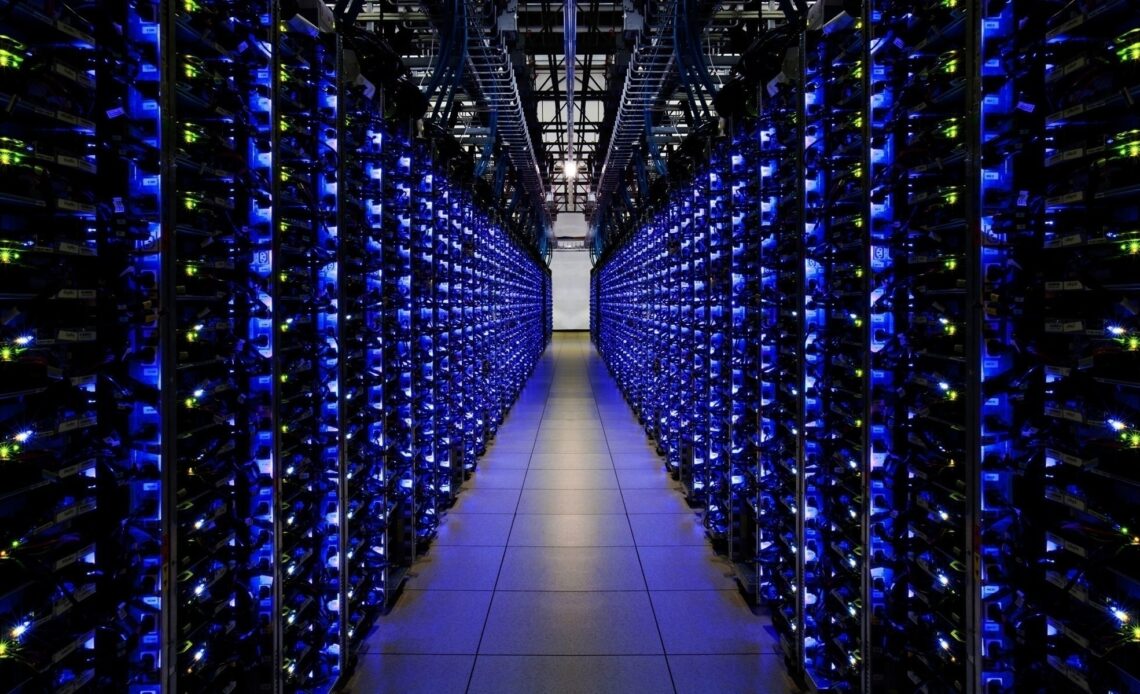
Artificial intelligence in 2025 has definitively stopped being virtual. It uses the planet’s resources in real terms. According to research, in 2025 AI generates between 32.6 and 79.7 million tons of CO₂ annually. For comparison, New York emits about 50 million tons. Global AI energy consumption has reached 23 GW, already exceeding Bitcoin mining’s consumption for the entire year of 2024.
AI’s water appetite is also impressive. Systems consume between 312.5 and 764.6 billion liters of water annually, comparable to the yearly volume of the entire global bottled water market. One large 100 MW data center uses about 2 million liters of water daily to cool servers. Up to 80% of this water evaporates and does not return to the cycle.
The International Energy Agency forecasts that by 2030 data centers will consume 945 TWh of electricity annually, more than all of Japan. Lawrence Berkeley National Laboratory calculated that by 2028, more than half of data centers will be devoted specifically to AI. This is comparable to the consumption of 22% of all U.S. households.
The impact on rates is becoming noticeable. In 2024, U.S. data centers consumed 183 TWh, accounting for over 4% of the country’s total electricity. Bloomberg News found that in regions near data centers, wholesale electricity prices increased by 267% over five years, and the average electricity bill in the U.S. could rise by 8% by 2030. In some high-demand areas, the increase could reach 25%.
Tech companies recognize the problem. Google reports that achieving climate goals has become more difficult, and Microsoft plans to switch all data centers to 100% renewable energy by 2030. However, companies often use natural gas to meet current needs.
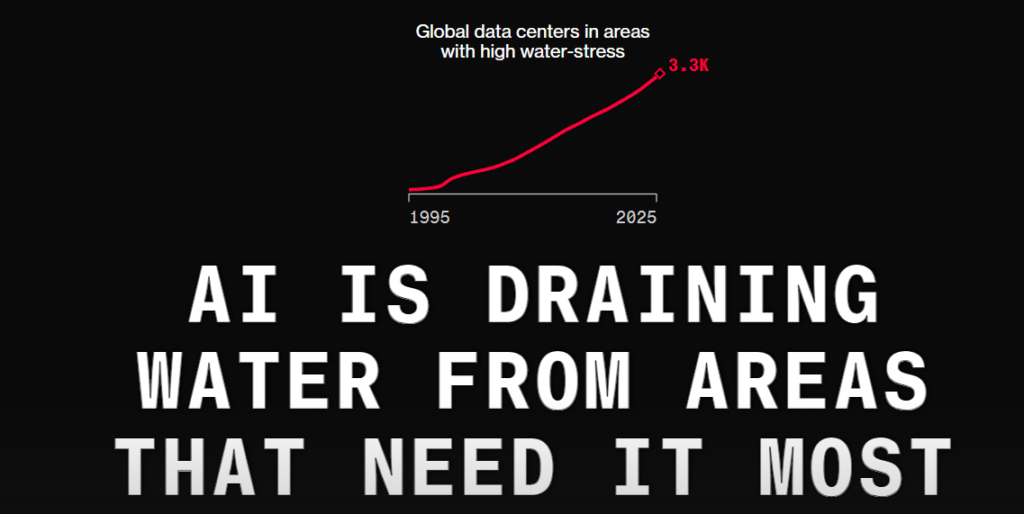
Particular concern arises from data center placement in regions with water scarcity. Bloomberg found that two-thirds of U.S. data centers built after 2022 are located in high water-stress areas. In Texas alone, in 2025, data centers will use 49 billion gallons of water, and by 2030 up to 399 billion gallons. This is equivalent to lowering Lake Mead’s level by 16 feet in one year.
The main difficulty in assessing AI’s impact is corporate data opacity. Experts estimate that IT sector energy consumption will grow by 30–40% annually over the next 3–5 years.
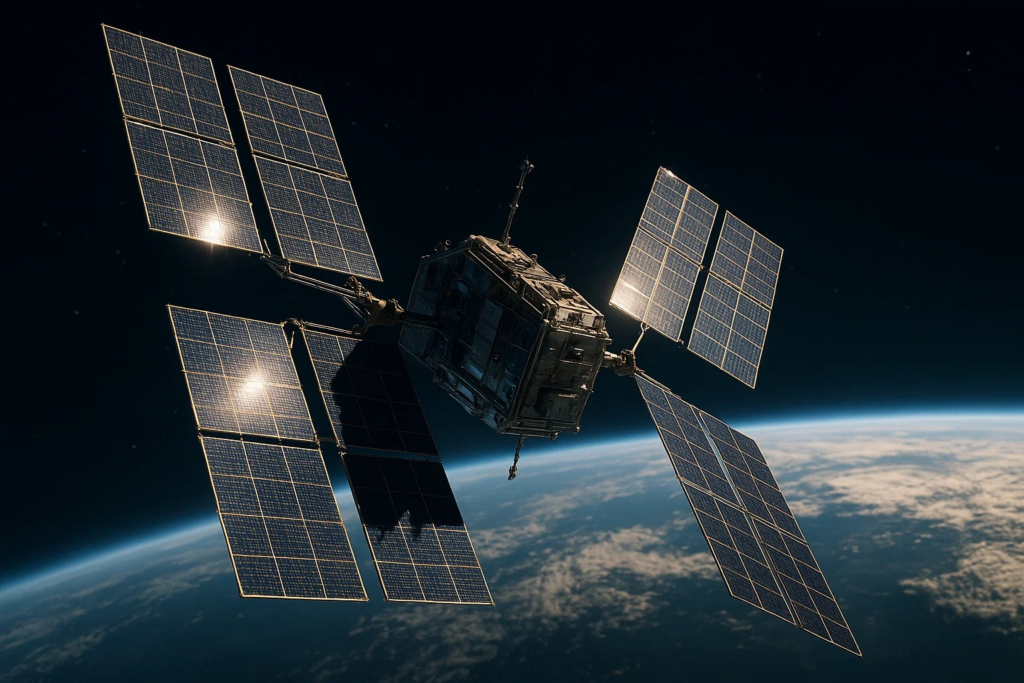
Elon Musk proposes a radical solution: moving data centers into space, using solar AI satellites with unlimited energy and cooling. “Starship could launch about 300, maybe even 500 GW of solar AI satellites into orbit each year,” he stated. However, questions remain about energy and data transmission to Earth and the accumulation of space debris.
Historical examples of technological revolutions show that such resource crises repeat. The difference today is that AI competes with existing electricity needs, creating deficits where none existed before.
Technically, modern AI chips require stable voltage, forcing operators to reserve additional capacity. As a result, actual network consumption exceeds active use by 20–30%.
AI has ceased to be just a tool. It has become a systemic consumer of energy and water, affecting rates, ecology, and resource availability. The question now is not what AI can do for us, but how many resources it will take from humanity.
All content provided on this website (https://wildinwest.com/) -including attachments, links, or referenced materials — is for informative and entertainment purposes only and should not be considered as financial advice. Third-party materials remain the property of their respective owners.