

Platinum prices have reached historic highs over the past 17 years, making 2025 particularly notable for the precious metals market. This year, three key precious metals—platinum, gold, and silver—have all shown remarkable growth, rewriting their multi-year records. The rise in platinum prices is occurring against the backdrop of expectations for a U.S. Federal Reserve monetary policy easing and concerns over a potential global shortage of the metal.
Platinum futures on the exchange have increased by 2%, reaching $1978 per troy ounce, the highest level since 2008, according to Trading Economics. Since the beginning of the year, platinum’s value has risen 2.2 times, reflecting both high volatility in global markets and steady demand from industrial consumers, including the automotive industry and jewelry manufacturers.
Palladium, a metal related to platinum, is also showing strong momentum, rising 3.3% to $1777 per ounce, the highest level in three years. Both metals have been supported by expectations of further reductions in the Fed’s key interest rate. Weak U.S. labor market data, showing unemployment rising to 4.6% in November—the highest in four years—strengthened investor sentiment in favor of safe-haven assets and diversification through precious metals.
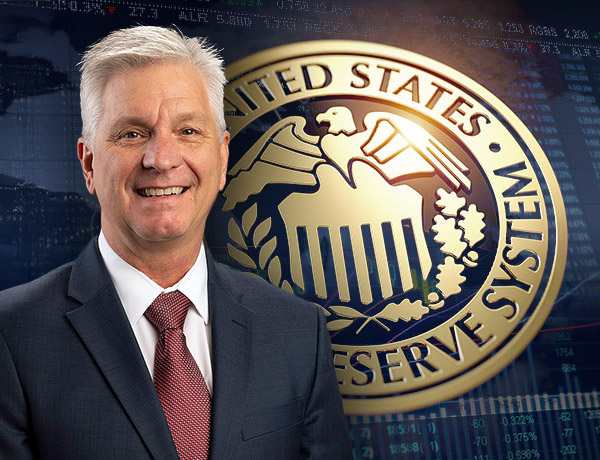
Federal Reserve Board member Christopher Waller noted that he sees room for further cuts in the base interest rate. “I believe the current rate is 50–100 basis points above neutral, which means the Fed has room for adjustment,” he said at an event in New York. Such statements bolster market optimism regarding future demand for precious metals as protective assets.
Meanwhile, the World Platinum Investment Council (WPIC) forecasts a global platinum deficit of 69.2 thousand ounces in 2025, further supporting the price trend. The deficit, combined with growing industrial demand and limited mining output, creates sustained price pressure, driving further increases.
At the same time, gold futures on the Comex exchange have declined by 0.3% to $4359 per ounce, and silver has fallen by 0.7% to $66.5 per ounce. Despite this, both metals remain near historical highs, demonstrating strong investor interest and maintaining their status as traditional safe-haven assets amid global economic uncertainty. The rise in precious metal prices reflects a combination of factors: expectations of rate cuts, inflationary risks, structural deficits, and increased demand from both industrial and institutional players.
Overall, the precious metals market demonstrates a unique combination of historical highs and macroeconomic drivers, creating favorable conditions for investment and strengthening the positions of platinum, gold, and silver in investor portfolios worldwide.
All content provided on this website (https://wildinwest.com/) -including attachments, links, or referenced materials — is for informative and entertainment purposes only and should not be considered as financial advice. Third-party materials remain the property of their respective owners.