


The international interbank system SWIFT, traditionally responsible for secure and standardized exchange of financial messages between banks worldwide, has begun developing its own blockchain platform for cross-border transfers. This move can be seen as a strategic transformation aimed at integrating classical banking technologies with new digital financial instruments, including tokenized assets and crypto networks.
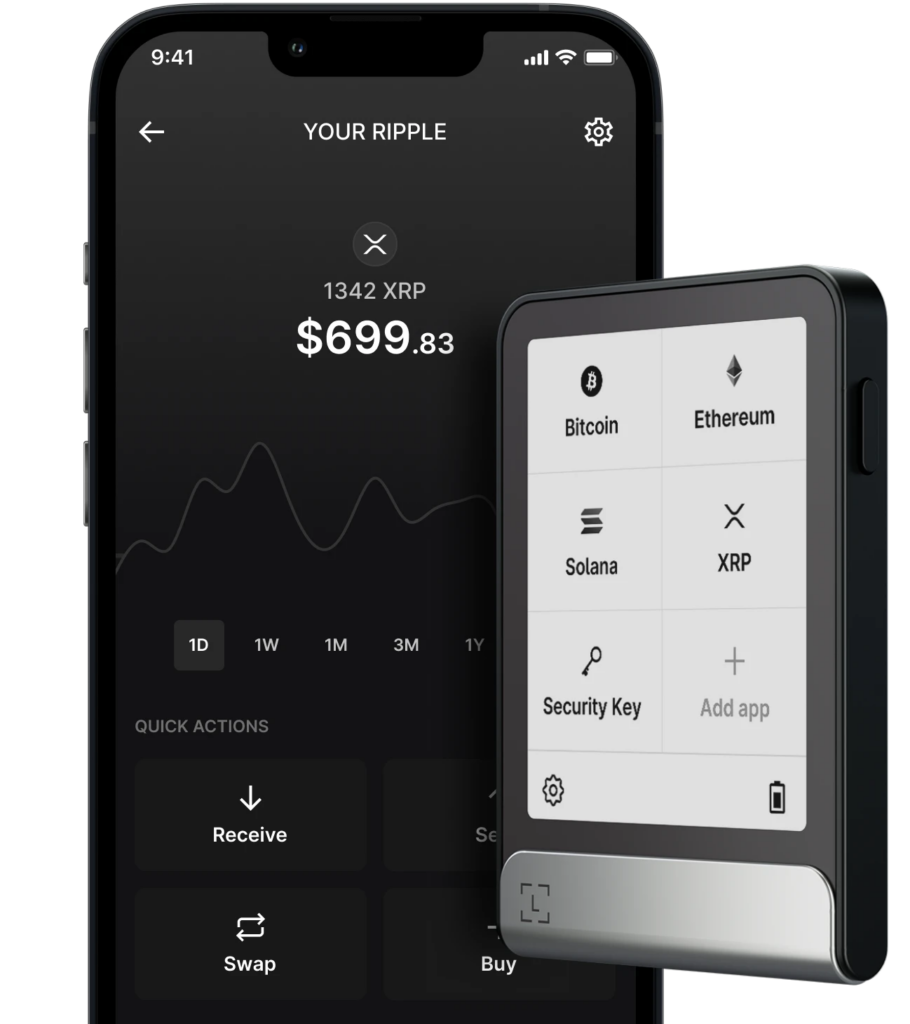
The goal of the new project is to create a distributed ledger capable not only of accelerating cross-border payment processes but also of ensuring transparency, security, and compatibility with existing banking systems. As part of the platform development, SWIFT is testing technical integration with various blockchain solutions and issuers of tokenized assets, including the XRP Ledger from Ripple Labs, known for its fast and relatively low-cost cross-currency settlements. The development is designed to allow existing interbank communications not only to remain unaffected but also to interact with decentralized ledgers without complex infrastructure restructuring.
At the current stage, SWIFT is actively engaging with global financial market participants, including major banks in Europe, Asia, and North America, to discuss the compatibility of the new distributed ledger with existing SWIFT standards. Pilot projects have already been conducted, during which banks exchanged messages about tokenized assets via the distributed ledger, demonstrating the potential for accelerated and secure cross-border payment processing.
Experts emphasize that SWIFT’s initiative could become a pivotal moment for the global financial system. The traditionally used interbank messaging system, relied upon by the world’s largest banks, has the opportunity to evolve into a hybrid platform capable of combining time-tested settlement methods with innovative blockchain-based solutions. This opens prospects for reducing costs, speeding up cross-border payments, and promoting wider adoption of tokenized assets in everyday banking practices.
So far, SWIFT has not publicly disclosed the exact launch timeline or all technical details of the platform, but industry experts view the project as a logical step amid the growing popularity of digital finance and pressure on banks from fintech companies. Developing its own blockchain system will allow SWIFT to maintain its status as a key player in the international payments market while adapting to the new realities of the financial world, where speed, transparency, and integration with digital assets are becoming crucial competitive factors.
In other words, SWIFT’s initiative is not merely a technological experiment but a strategic positioning of the system for the future of global payments, which could radically transform the traditional infrastructure of cross-border banking operations, making them faster, more efficient, and compatible with emerging financial ecosystems.
All content provided on this website (https://wildinwest.com/) -including attachments, links, or referenced materials — is for informative and entertainment purposes only and should not be considered as financial advice. Third-party materials remain the property of their respective owners.