

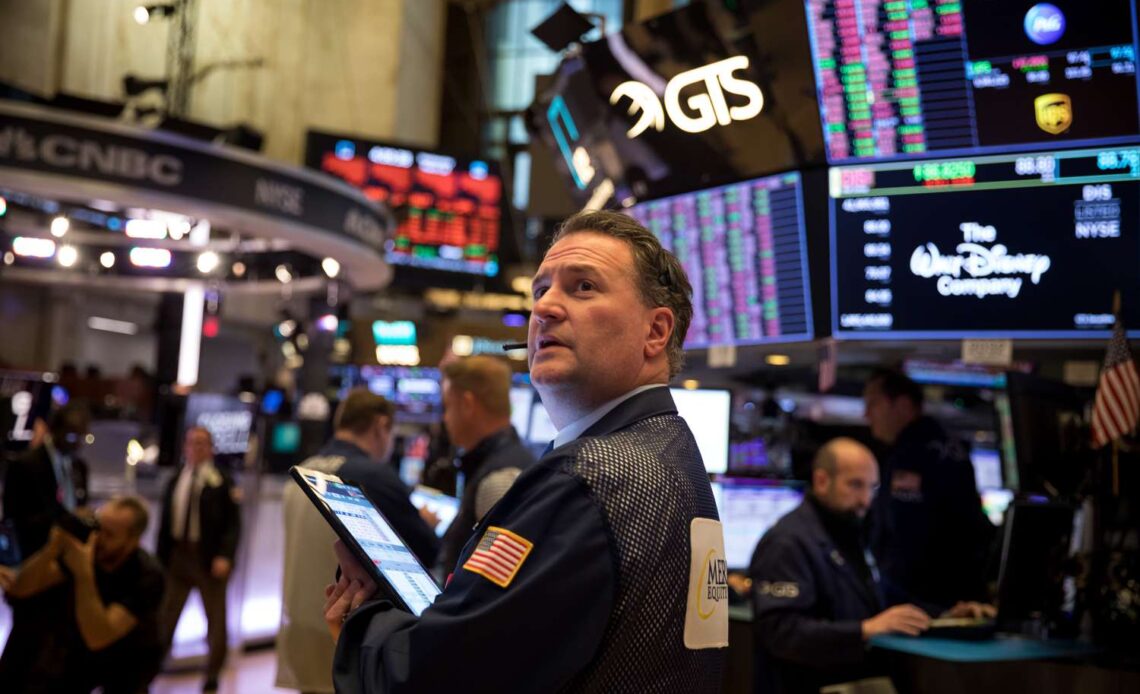
Last week on the stock market was marked by a clear divergence. On one hand, the classic indices Dow Jones and Russell 2000 confidently reached historic highs, showing an inflow of capital into more traditional segments of the economy. On the other hand, Nasdaq and the technology sector, primarily companies related to artificial intelligence, came under significant pressure.
This divergence does not seem accidental. Investors are increasingly dividing the market into “stable” and “promising but expensive.” The AI sector faced a wave of negativity after disappointing reports from Oracle and Broadcom. The main concerns are related to rising capital expenditures, high competition, and strong dependence of the ecosystem on OpenAI and a limited circle of key clients. In simple terms, belief in a bright AI future remains, but the market is no longer willing to pay for it at any cost.
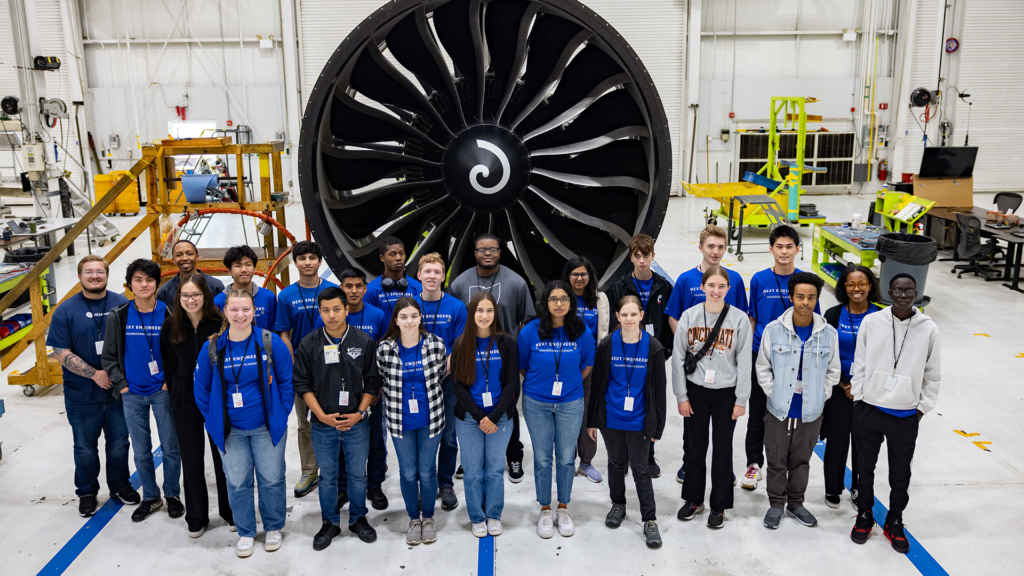
Against this background, capital is actively flowing into other segments. The financial sector, industry, and healthcare appear significantly stronger than the market. Companies like GE Aerospace benefit from long-term contracts and stable demand, while Eli Lilly continues to be one of the main beneficiaries of the trend toward innovative medicines. These stocks are perceived as more predictable and resilient, especially in conditions of uncertainty regarding interest rates. Separately,
Tesla deserves mention, as it once again came into investors’ focus. News about testing driverless robotaxis supported interest in the shares, reminding the market that the company remains not only an automaker but also a technological bet on the future of autonomous transport.
At the same time, risks have not disappeared. Nasdaq has approached key support levels, and any deterioration in the news background could trigger an accelerated correction. Additional pressure comes from rising bond yields, which traditionally negatively affect growth stocks and highly valued technology companies.
However, opportunities are also evident. Cyclical and defensive sectors continue to attract capital, especially from institutional investors seeking a balance between yield and risk. This creates a favorable environment for selective investments in companies with strong financials and clear business models.
The main takeaway at this point is simple: the market is divided, and there are almost no universal “for everyone” ideas right now. Strategy requires caution regarding the AI sector and a more measured approach to purchases. The focus shifts toward leaders of resilient industries, and new positions should be opened selectively, with a clear understanding of risks and exit levels.

This week, investors should closely watch the reports from Micron and FedEx. These companies may set the tone for the market, giving a signal about demand in the technology and logistics segments, and thus indicate the direction the market is likely to move next.
All content provided on this website (https://wildinwest.com/) -including attachments, links, or referenced materials — is for informative and entertainment purposes only and should not be considered as financial advice. Third-party materials remain the property of their respective owners.