

The SEC released a guide on crypto storage for retail investors. Essentially, this is official recognition that “not your keys, not your money” is not a meme, but a harsh reality.
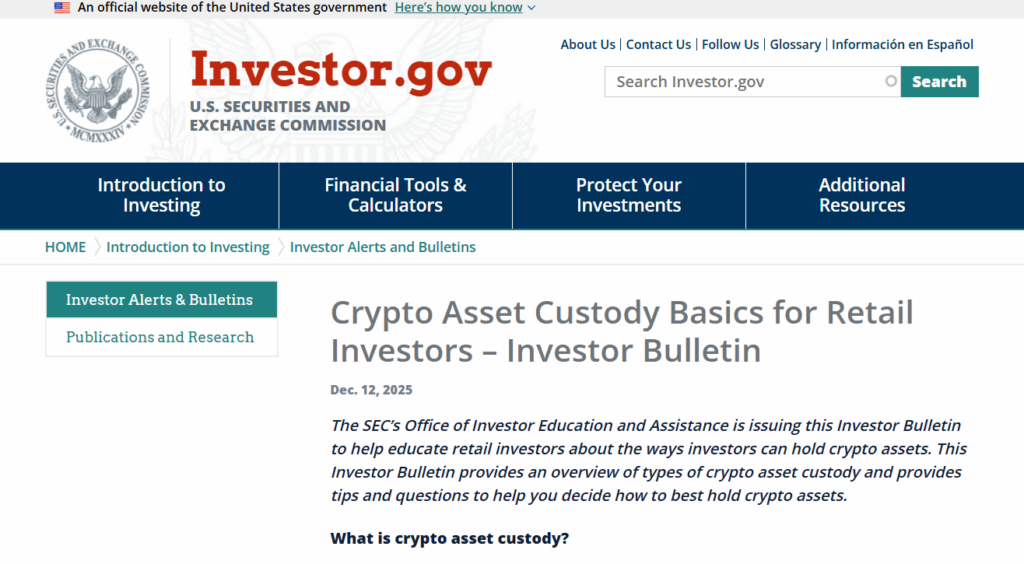
Let’s start with the basics that many still haven’t grasped.
Crypto does not sit in the wallet
Neither in MetaMask, nor in Ledger, nor in a “trusted app.” Crypto assets always exist on the blockchain. The wallet is just an interface to manage private keys. It does not store money, it stores access. Lose access — the money continues to exist, but without you. Forever.
Private key = absolute power
This is not an email password. It cannot be reset, recovered, replaced, or “asked for support.” The private key is 100% control over assets. Whoever holds the key is the owner of the funds. Court, regulator, exchange, support — all irrelevant.
Online wallets = convenience at the cost of risk
Hot wallets are always connected to the internet. Convenient for trading, DeFi, and fast operations. But they are also the most frequent targets for phishing, exploits, malicious extensions, and plain human error. One wrong click — and hello, Twitter investigation.
Offline wallets are safer, but not immortal
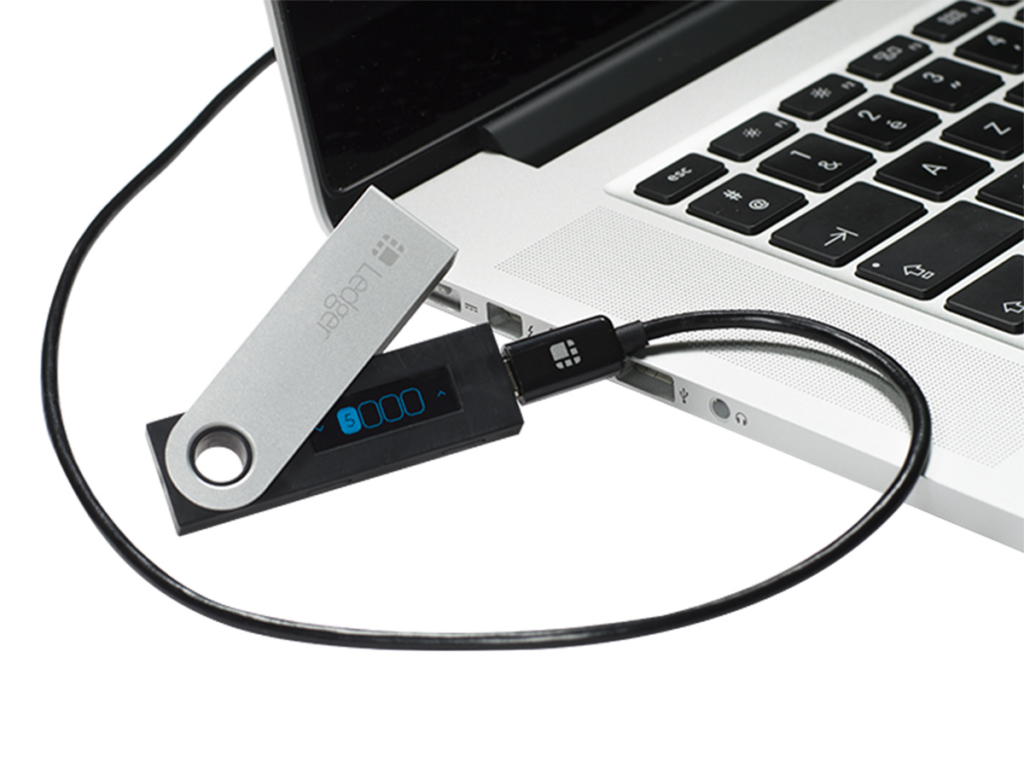
Cold wallets do not expose keys online, which is their main advantage. But they are not magical artifacts. They can be lost, broken, drowned, burned, forgotten with a PIN. Without the seed phrase, it’s just a piece of plastic with a sad story.
Seed phrase — your crypto will
The seed is the root of everything. Whoever controls the seed controls all wallets, addresses, and assets. It cannot be photographed, stored in the cloud, sent via messengers, or entered on “support sites.” Backup is mandatory. Preferably more than one. Preferably in different locations.
Self-custody is not freedom without consequences
Self-storage means full responsibility. No “undo transaction” button. No insurance against your own mistakes. No “oops, I sent it wrong.” This is the price of sovereignty. Crypto is not about comfort; crypto is about control.
Custody through services = convenience but loss of sovereignty
When you store assets on an exchange or with a custodial provider, the keys are not yours. Formally, it’s your money; in fact, it’s their database. In case of hacks, freezes, bankruptcy, or regulatory pressure, access may disappear instantly. There are enough precedents.
Client assets can be put into circulation
Some services use client deposits for lending, staking, or internal operations. This is not always obvious from the interface. While everything works fine — you don’t notice. When something breaks — you find out liquidity was “temporarily used.”
Regulation is not bulletproof
A license does not equal protection. Regulators do not guarantee fund recovery, especially in crisis scenarios. History knows enough “regulated” platforms where users were left with nothing and nice press releases.
Privacy and fees are also part of the risk
It’s important to understand what data about you is collected, where it is stored, and to whom it may be transferred. Plus fees, hidden charges, withdrawal terms. Sometimes “free” means “you pay with data or liquidity.”
Digital hygiene is not optional
Do not share keys. Do not expose balances. Check addresses. Do not click links from “support” emails. Use 2FA, hardware keys, separate devices. Most hacks are not hackers, but human negligence.
Final takeaway without romance
Control over keys = control over money.
Everything else is a trade-off between convenience, speed, and risk.
Crypto is not about trust. Crypto is about responsibility. And the SEC, unexpectedly, fully agrees.
By the way, here you can buy legendary hardware wallets for beginners with all the essential basic features!
All content provided on this website (https://wildinwest.com/) -including attachments, links, or referenced materials — is for informative and entertainment purposes only and should not be considered as financial advice. Third-party materials remain the property of their respective owners.