

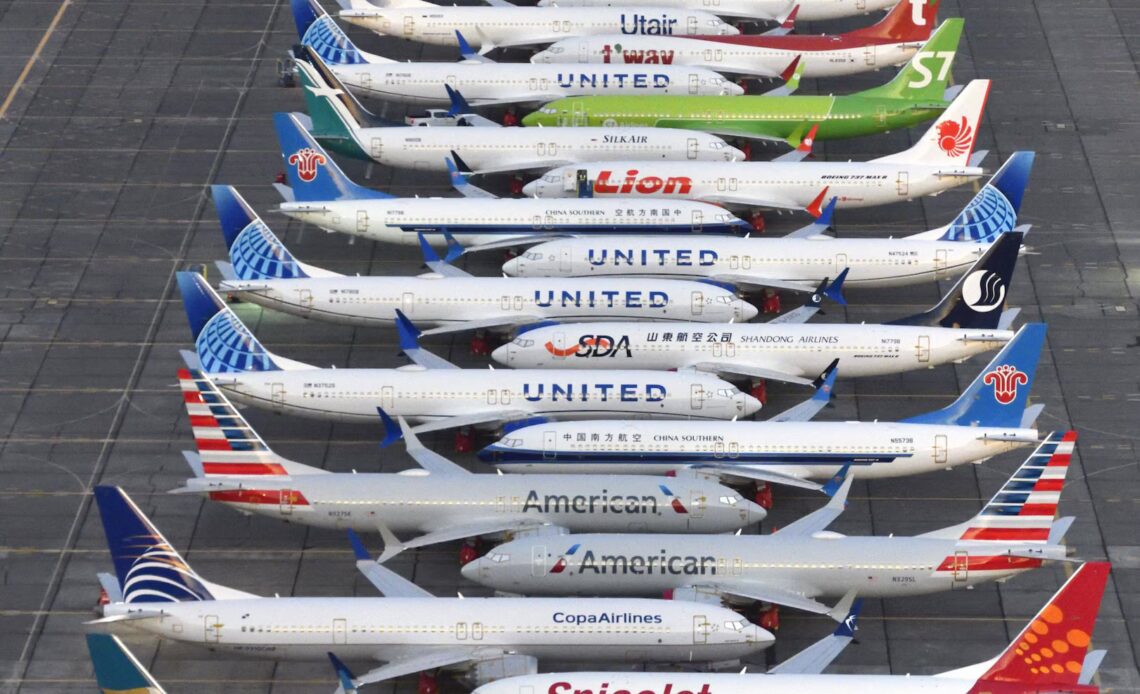
🚀 Boeing demonstrated a strong surge in the stock market: the company’s shares rose by more than 10 percent, making it the main driver of the Dow Jones index for the day. Such investor optimism is primarily linked to statements from the chief financial officer, who outlined updated targets for cash flow and key production projects.
According to the management, free cash flow in 2025 should amount to around 2 billion dollars, and in 2026 – already several billions, while the long-term goal of 10 billion dollars remains relevant. This target looks ambitious given the challenging circumstances of recent years, yet the company is showing readiness to return to sustainable growth.
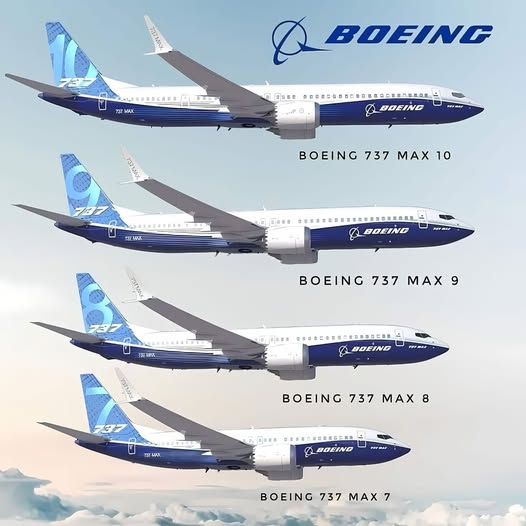
One of the key factors remains the certification process of the 737 Max 10 model. Boeing expects to obtain regulatory approval by the end of 2026. This will be an important stage in restoring the full model lineup and strengthening competitive positions in the narrow-body segment.
The supplier situation is also moving toward resolution: the deal to acquire Spirit AeroSystems, a manufacturer of several key components for Boeing aircraft, is expected to close by the end of this year. Integrating the supplier into the corporation’s structure should improve quality control and reduce risks associated with production disruptions.
At the same time, current operational indicators remain mixed. In November, Boeing delivered only 44 aircraft – a weak result that casts doubt on meeting the annual forecast. To meet the stated plans, the company will need a record December with 63 aircraft deliveries, which appears extremely demanding.
Nevertheless, the order backlog remains impressive: nearly 5,900 aircraft worth approximately 636 billion dollars. This provides the company with substantial workload for years ahead and forms a foundation for long-term growth, provided that Boeing can fulfill its production commitments.
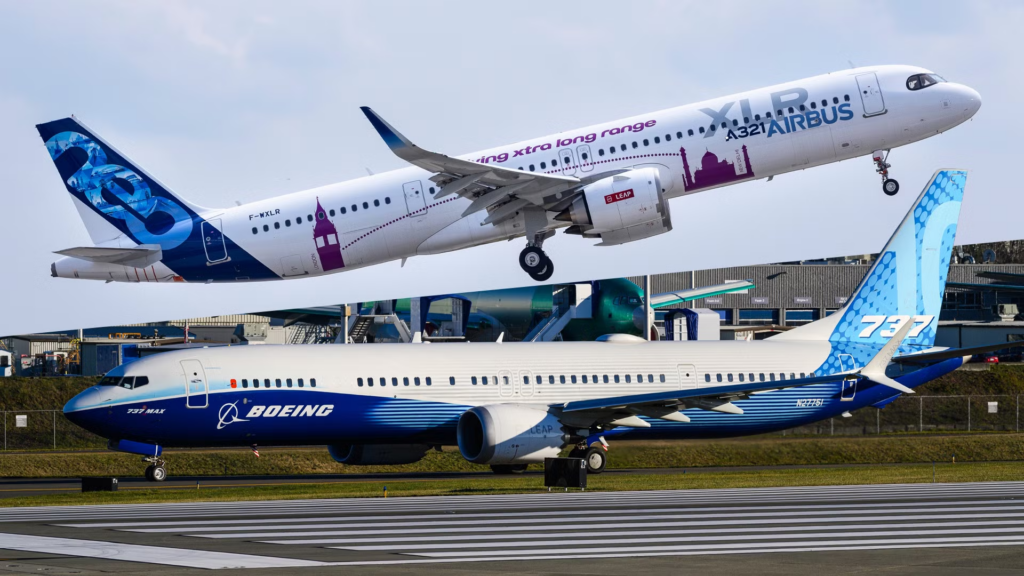
From an investor perspective, the picture is mixed. In the short term, risks persist related to certification, supply chains, and annual plan execution. However, in the long term, Boeing remains one of the most compelling ideas in the aviation sector thanks to its colossal backlog, gradual recovery of cash flow, and large-scale plans to optimize production.
Whether you are ready to believe in the goal of reaching 10 billion dollars in free cash flow is a question that currently divides analysts. Some consider it realistic if the supply chain stabilizes, while others point out that Boeing is still in a recovery phase and needs to prove its stated pace of progress.
🌐 Whatever the outcome, one thing is clear: the company is entering a period of high dynamics, where every action will be closely assessed by the market.
All content provided on this website (https://wildinwest.com/) -including attachments, links, or referenced materials — is for informative and entertainment purposes only and should not be considered as financial advice. Third-party materials remain the property of their respective owners.