

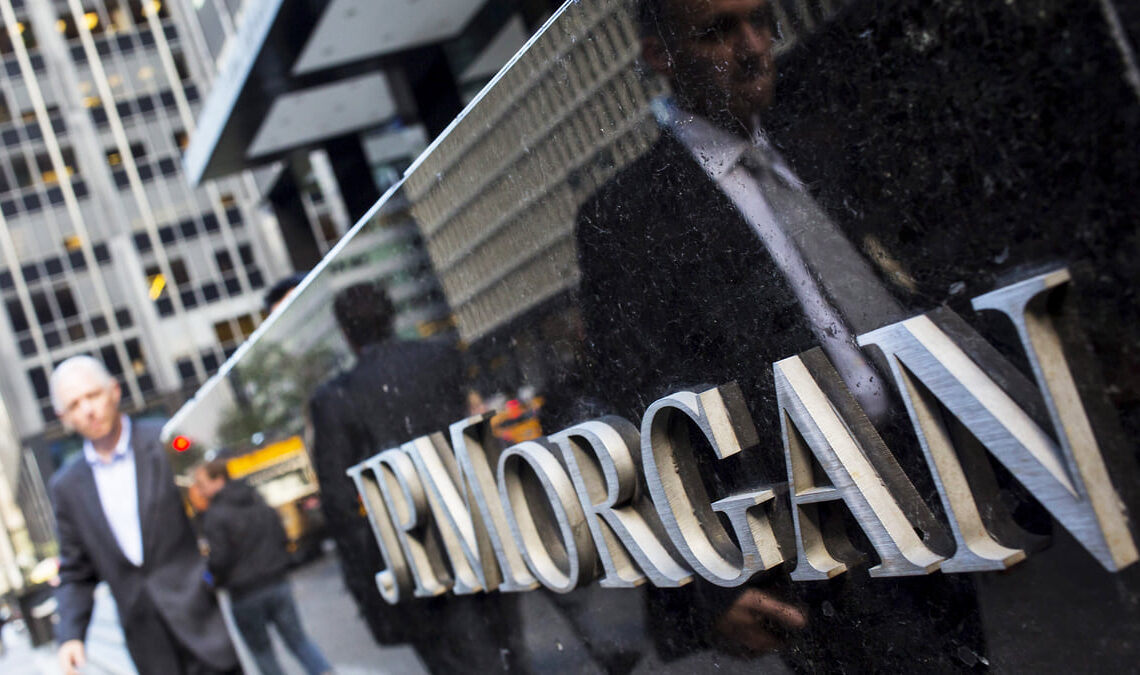
🐳 The largest American bank, JPMorgan, is taking active steps that are causing concern within the crypto industry. This time, the bank’s attention has turned to companies and key figures working in the crypto sphere. Houston Morgan, who heads the crypto division of ShapeShift, lost both his corporate and personal banking services at JPMorgan. The bank closed his accounts without the possibility of promptly clarifying the reasons and without providing an appeal mechanism, The Block reports.
A similar story affected Jack Mallers, the founder of the payment system Strike. He even framed the notice of account closure, turning it into a kind of “monument” to JPMorgan’s actions. For many market participants, this has become a symbol that major financial institutions are beginning to systematically block companies working with cryptocurrencies, regardless of their reputation or business transparency.

But the bank’s pressure goes beyond simply refusing services. JPMorgan is opening short positions in the shares of crypto companies, including Strategy, which, according to some observers, may signal preparation for a coordinated market attack. On the one hand, the bank demonstrates official recognition of the potential of cryptocurrencies: in its reports, JPMorgan calls Bitcoin a macroeconomic asset and predicts its rise to $240,000 per coin. On the other hand, it effectively pushes out competitors and restricts crypto firms’ access to traditional financial services. This dual approach allows the bank to simultaneously take advantageous positions in the market, neutralize competitors, and influence market dynamics.
What happened to Houston Morgan:
After the ShapeShift company account was blocked, Morgan tried to contact the bank promptly. He called several departments: customer support, corporate services, and account verification. For half an hour he was transferred between various divisions, but no clear answer was provided.
Eventually, Morgan managed to speak with a bank employee named Andre, who confirmed that the decision to block the business account had already been made. The bank’s wording was extremely general — the termination of cooperation was justified by “protecting the JPMorgan Chase financial institution.” The former client said that no additional information about the bank’s policy was provided, and there was no ability to fix the situation, provide documents, or appeal the decision.

Moreover, the bank warned that Houston Morgan’s personal account would be closed this week, and he hurried to withdraw all funds. According to Morgan, other ShapeShift employees have not experienced similar issues so far, but the matter is planned to be discussed at the company’s next meeting.
Why this matters for the market and the crypto industry:
- A precedent for crypto companies: JPMorgan’s actions show that major banks can systematically deny services to companies working with digital assets, even if the business is fully transparent and legal.
- Pressure on competitors: closing accounts of top managers and firms creates risks for the operational activity of crypto companies and limits their ability to interact with traditional financial markets.
- The bank’s dual strategy: on one hand, recognizing Bitcoin as a macroeconomic asset with a forecast of $240,000, and on the other, actively pushing out competitors. This strategy allows the bank to influence the market by taking positions as an investor while minimizing competition.
- The ETF market and crypto company stocks: opening short positions in Strategy’s stock may signal preparation for a coordinated market attack, increasing volatility and risk for investors.
🎯 Conclusion:
The cases of Houston Morgan and Jack Mallers clearly demonstrate that even large and publicly known crypto firms remain vulnerable to traditional financial institutions. This trend forces industry participants to think about diversifying financial channels, alternative ways of storing funds, and strategies for interacting with banks to minimize the risks of sudden blocks.
JPMorgan shows that traditional finance is prepared to simultaneously invest in crypto assets and push competitors out of the market, creating a complex and unpredictable landscape for crypto businesses.
All content provided on this website (https://wildinwest.com/) -including attachments, links, or referenced materials — is for informative and entertainment purposes only and should not be considered as financial advice. Third-party materials remain the property of their respective owners.