

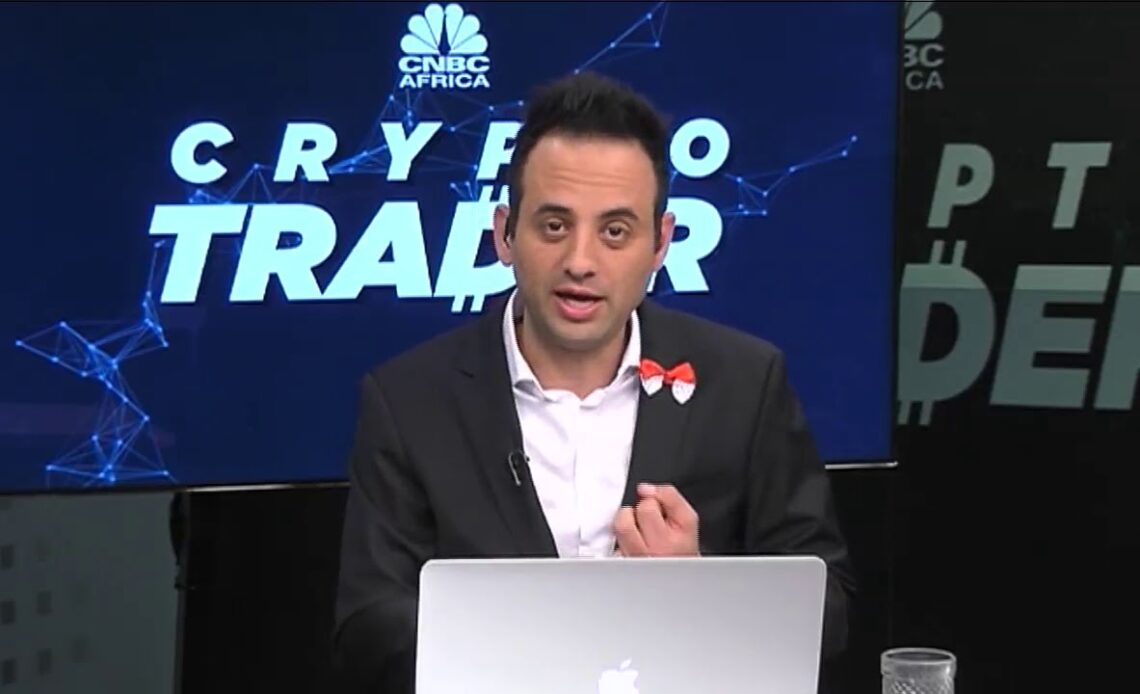
🚨 For several months, the crypto market tried to understand why everything crashed precisely on October 10 and why, after that, the market did not provide a single full rebound. There were many versions, but none explained the exact timing and scale of the movement.
Now the analysis has been done by Ran Neuner, through Alessandro, and the picture turned out to be much more serious than anyone thought.
He, as it seems to us, tried to break everything down as thoroughly as possible.

DAT companies (MSTR, BMNR, and others) were one of the two key sources of purchases that fueled the entire current crypto growth cycle. They bought BTC systematically, aggressively, and in gigantic amounts, effectively becoming an alternative to large institutional funds.
Their model worked like a closed leverage loop: you grow → you are included in indices → index funds are forced to buy your shares → capitalization grows even more → the company buys even more BTC → the cycle repeats.
On October 10, MSCI, the second-largest global index provider, published an update that became a turning point. MSCI raised the question: are companies that hold cryptocurrency as their main business actually companies, or essentially crypto funds operating under the guise of corporations?
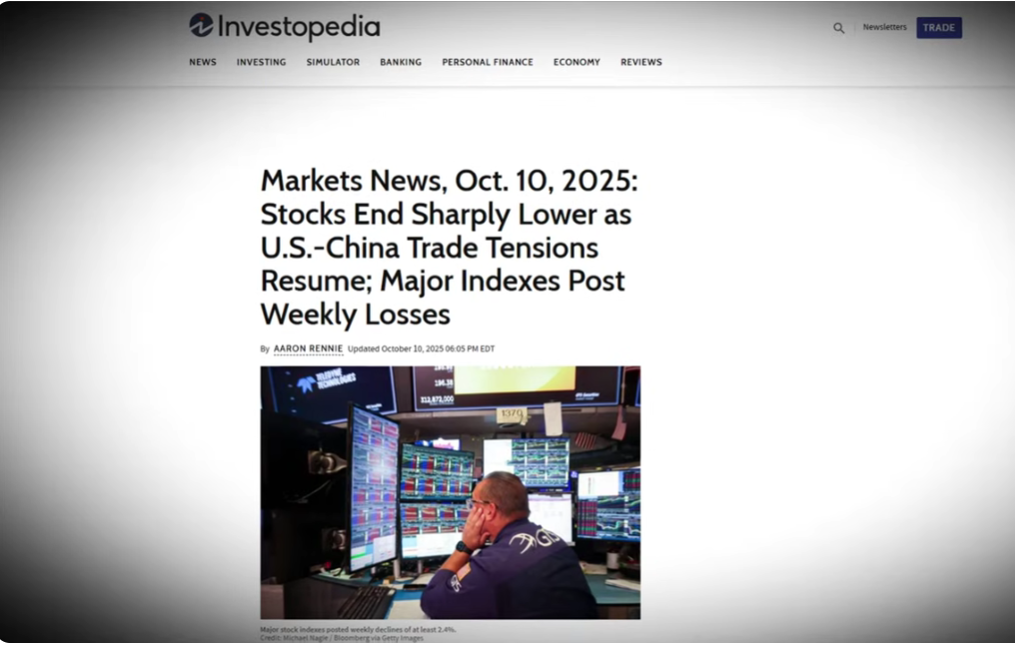
If MSCI classifies them as funds, they cannot be included in passive indices.
Otherwise, a “perpetual motion” would arise: buying BTC → capitalization growth → index inclusion → forced purchases by funds → new BTC purchases.
The final decision will be made on January 15, 2026. If the verdict is negative, such companies will automatically be excluded from all key indices.
Passive funds, ETFs, pension structures — all of them will be forced to sell these securities immediately. This is not just a technical step. It will eliminate one of the main sources of constant demand for crypto.
According to Neuner, smart money understood this on October 10 — the very day the MSCI update was released. That is why the drop was instantaneous, sharp, and without any attempts at a reversal.
So October 10 is not a coincidence. It was the moment when the market saw a threat to its fundamental demand structure.
Until the end of December, the market, according to Neuner, will remain weak. Everyone understands: the MSCI decision completely changes the architecture of supply and demand, so participants continue to assess the risk of this decision.
🔍 If the decision is negative, a massive sell-off is possible — the market has already priced in part of the expectations. If the decision is positive, the market will literally breathe, shake off, and return to the trajectory of a full bullish cycle.
All content provided on this website (https://wildinwest.com/) -including attachments, links, or referenced materials — is for informative and entertainment purposes only and should not be considered as financial advice. Third-party materials remain the property of their respective owners.