

🤖
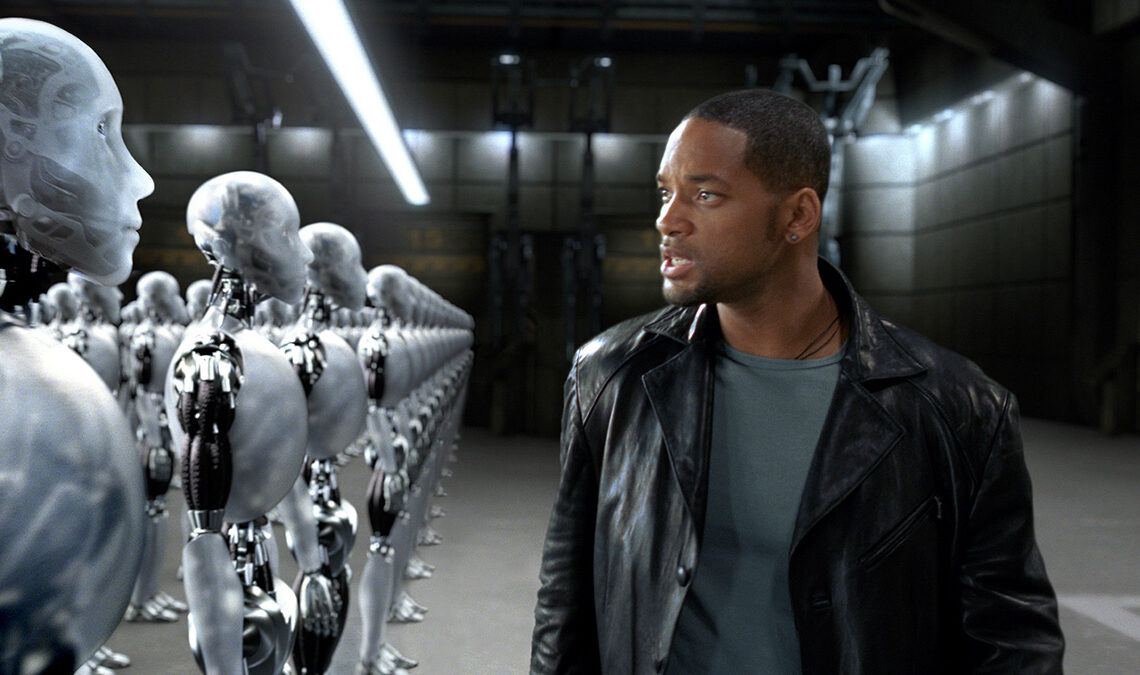
Who remembers “I, Robot” with Will Smith? Back then it seemed like science fiction, but now China looks at this movie as an instruction manual. While the West debates whether we need AI with personality or robots that don’t scare children, the Chinese have decided that waiting is a luxury for the weak.
And if Elon Musk is still sketching his future in presentations, China is simply… rolling it out in batches. At the factory. In boxes. With serial numbers.
The “robot in every home” program is not a slogan — it’s a production plan. And judging by the pace, the deadline was yesterday.
UBTECH no longer makes prototypes that engineers run after with screwdrivers. They pour humanoids on the assembly line like children’s toys. Only these are not toys. These white dummies change their own batteries, don’t ask for breaks, don’t complain about overtime, and don’t join unions.
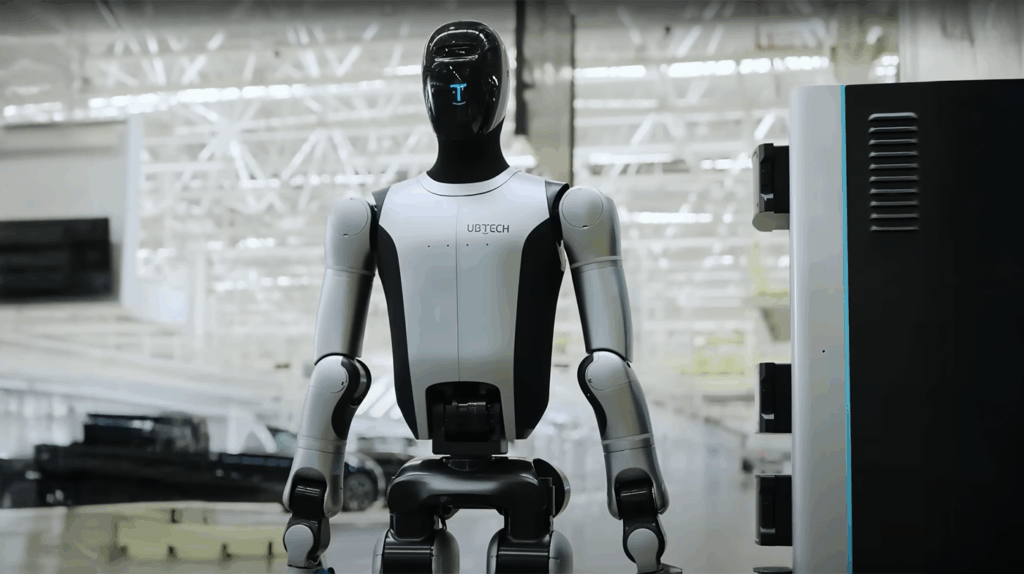
The first batches have already gone to BYD, Geely, FAW Volkswagen, Dongfeng, and Foxconn.
So robots are going to work in factories that make cars that carry robots, which… Well, at some point this will become a closed loop.
And the main thing — they will make it before New Year. While we philosophize about the future, in China it’s being loaded into trucks. Literally.
And what’s next?
If China is betting that humans are no longer needed in production, this is no longer a forecast — it’s a geopolitical strategy. Clear, cold, and without sentiment.
Productivity? Unlimited.
Costs? Down.
Production speed? Growing every month.
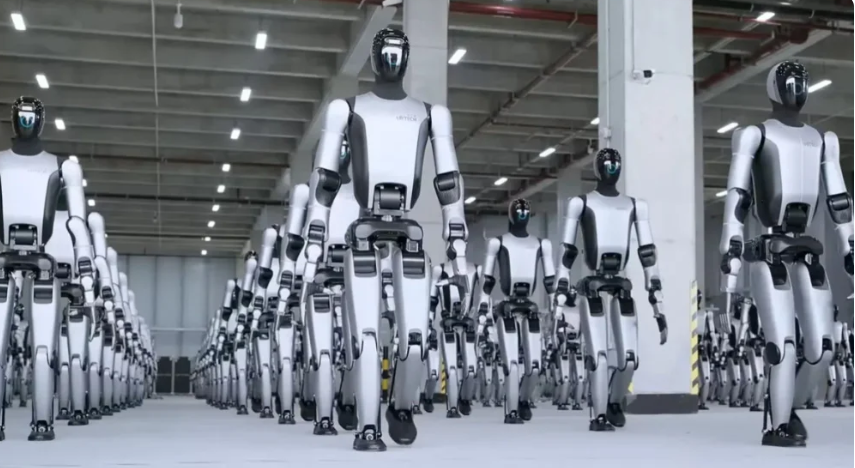
The world suddenly finds itself in a race where the winner is not the one with the most skilled workers, but the one with the most robots working 24/7.
For entrepreneurs, there is now only one question: are you building a business for the new reality,
or competing with those who don’t sleep, don’t eat, and don’t tire?
And here comes the most unpleasant part.
The whole race has lost economic logic. Development has accelerated to the point that the classic supply and demand model simply can’t keep up with assembly lines where aluminum and plastic dummies stand instead of humans.
The problem is not that machines will replace workers — we went through that in the 20th century. The problem is different: the very idea that value is created by humans is collapsing.
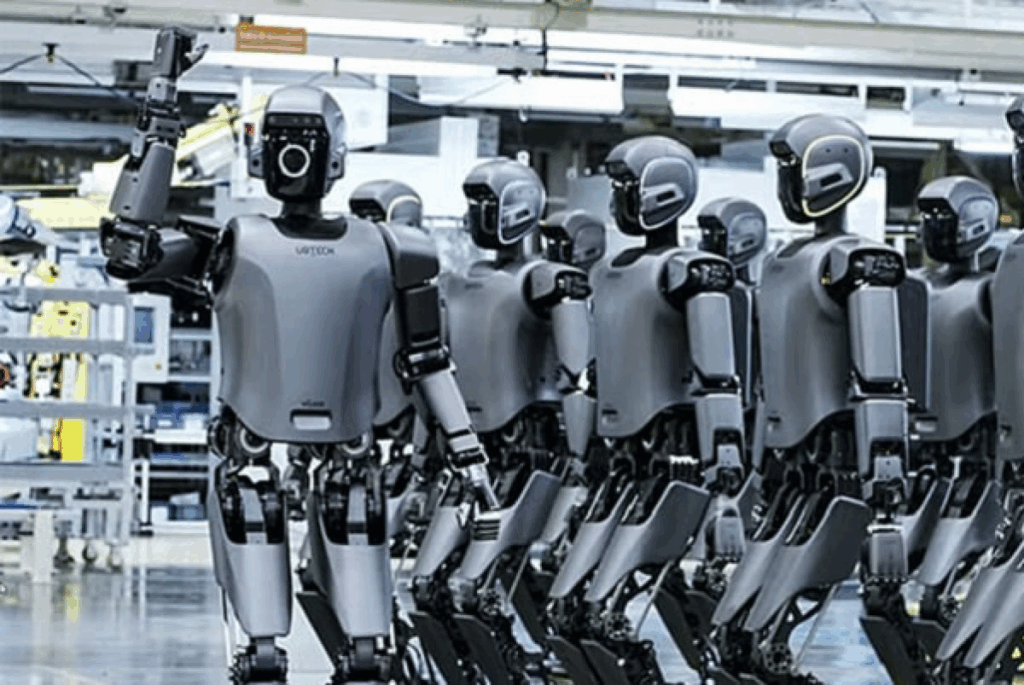
AI thinks faster.
Robots do faster.
Algorithms design what machines then assemble.
And here arises the question economists try to avoid because it chills the spine:
what does a human even create in this system?
What role remains for humans in a world where production no longer depends on people, and the consumer market collapses because purchasing power disappears along with jobs?
The model “people buy because they produce” falls apart like a house of cards. If machines do everything themselves and AI invents the rest, civilization is left with one main question: what place remains for humans in this system?
🏭 And the answer is not yet found. But the robots are already on their way.
A video fragment of the project can be viewed on our Telegram channel.
All content provided on this website (https://wildinwest.com/) -including attachments, links, or referenced materials — is for informative and entertainment purposes only and should not be considered as financial advice. Third-party materials remain the property of their respective owners.