

💹 The privacy coin is surging amid a falling market — bringing back to the agenda the question that started it all: freedom or control.
Sharp growth against the trend
While Bitcoin and top altcoins undergo another correction, Zcash (ZEC) suddenly surged to the top of the growth charts. In just a few days, the coin’s price jumped over 60%, broke the $500 level, and raised its market cap to $8.7 billion. Investors are again talking about Zcash as the “true heir of Bitcoin” — an asset created not for speculation, but for financial freedom.
What is Zcash
Zcash is a peer-to-peer decentralized open-source network focused on privacy. Its core is the zk-SNARK technology (zero-knowledge proofs), which allows confirming a transaction without revealing the participants or amounts.
Simply put: Zcash is like Bitcoin, but without witnesses.
The project grew out of the Zerocoin research (2013), in which a group of cryptographers — Matthew Green, Eli Ben-Sasson, and others — proposed a solution to Bitcoin’s problem: lack of true privacy. Soon, an improved version appeared — Zerocash, allowing transaction details to be completely hidden.
From cypherpunks to a startup
In 2015, American crypto enthusiast and privacy researcher Zooko Wilcox founded Electric Coin Company (ECC) to bring the Zerocash idea to industrial standard. A year later, after the famous “trusted setup” ceremony, Zcash was born.
The ceremony looked almost ritualistic: participants from different countries generated key fragments and destroyed the equipment so that no one could create a network “backdoor.

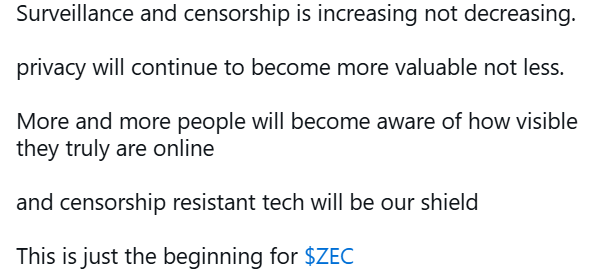
” However, years later, an independent audit could not confirm it. One participant, programmer Peter Todd, honestly admitted: “You just have to trust that we didn’t collude.” Since then, Zcash has become a symbol of cryptographic faith — in privacy, not in people. “Surveillance and censorship are not weakening, they are increasing. Privacy will only become more valuable. More people will realize how transparent their actions are online, and censorship-resistant technologies will become our shield. For ZEC, this is just the beginning,” wrote former White House advisor and Zcash advisory board member Thor Torrens.
The evolution of privacy
Since its launch, Zcash has come a long way:
- Unified addresses appeared in the network (2022), compatible with any pools.
- Network Upgrade 5 (2025) added support for one-time addresses, improving security in sending and receiving funds.
- The ECC team published a new roadmap focused on integrating ZEC into decentralized exchanges and Web3 services without losing privacy.
Each upgrade is a step toward creating a financial internet without observers.
Why Zcash is back in focus
Interest in privacy coins did not arise out of nowhere. In Europe, initiatives like Chat Control are being discussed, which could legalize scanning personal messages using AI. At the same time, the EU is preparing a total ban on anonymous crypto accounts.
Zcash expert Thor Torrens, former White House advisor, believes this background only strengthens the privacy narrative: “Surveillance and censorship are increasing. Privacy is becoming the currency of the 21st century.”
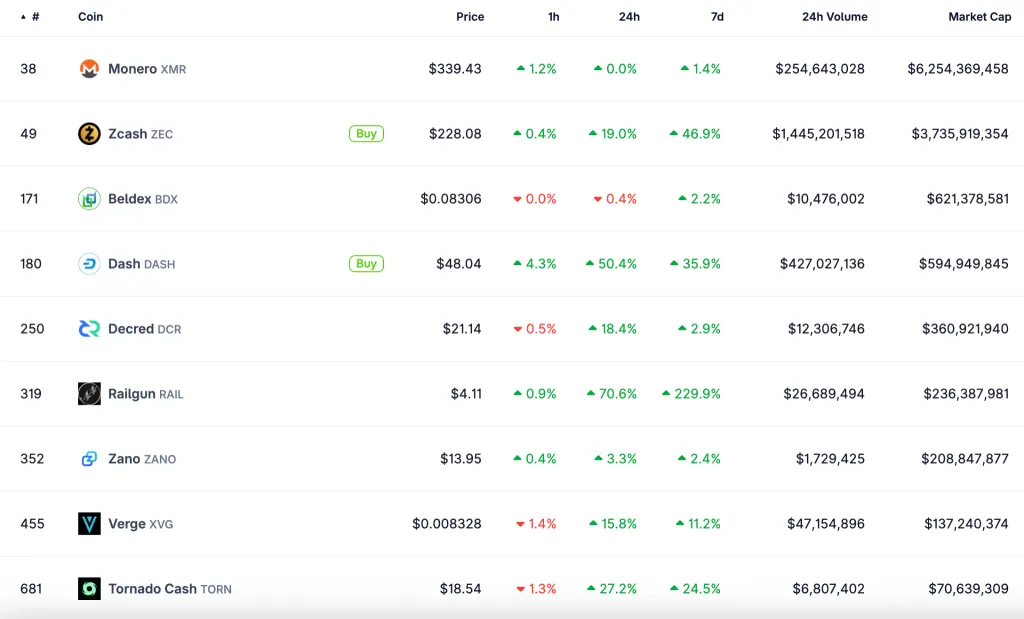
As a result, the privacy coin sector’s market cap has grown from $10 billion to $26.6 billion in just six months.
ZEC vs Monero
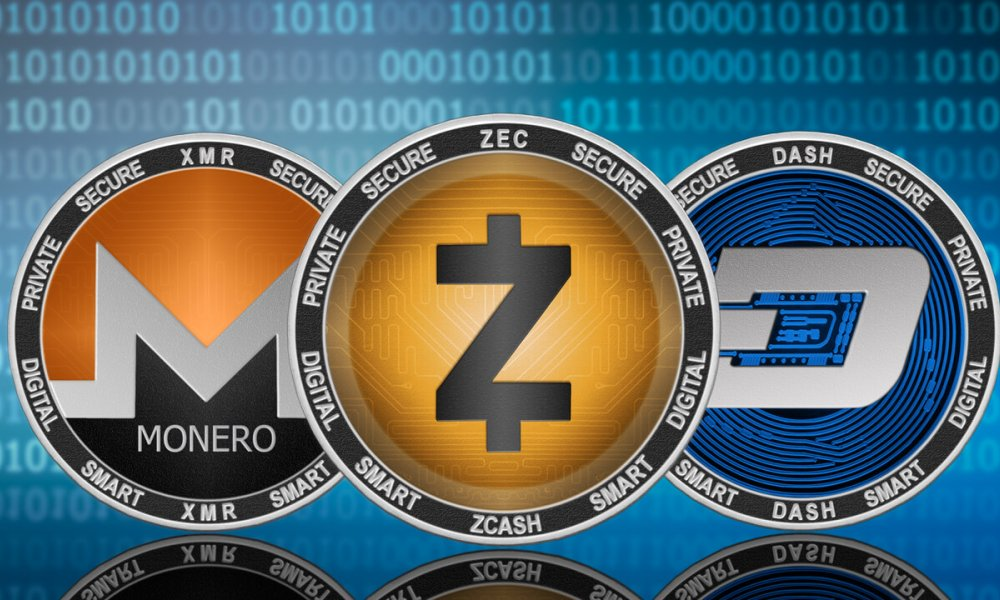
Many analysts note that Zcash has become the flagship of the new wave of interest. If Monero (XMR) was previously the main privacy coin, now ZEC shows growth dynamics and technological upgrades.
According to ZecHub, the share of Zcash private transactions reached 30% of total network volume — a record high.
Naval Ravikant called ZEC a “Bitcoin insurance,” while Galaxy Digital analyst Will Owens called it “Satoshi’s spiritual heir.”
Philosophy and criticism
Zcash supporters see the project as a return to the roots — to the cypherpunk ideas defending the right to personal financial privacy. Skeptics, however, note that privacy on the blockchain is not absolute, and trust in the protocol still rests on people.
Web3 researcher Vladimir Menaskop notes: “Bitcoin is becoming more centralized — ETFs, custodians, regulators. But one coin ruling them all is the worst thing that could happen to Web3.”
Economist Yevhenii Romanenko adds a philosophical note: “The main idea of cryptocurrencies is anonymity. Privacy is not an option; it is the nature of freedom.”
Will it rise or disappear?
Zcash has already gone through waves of hype and oblivion. It has repeatedly been a “coin of hope” for idealists but never stepped out of the shadow of Bitcoin and Monero. Today, amid growing regulatory pressure, the question is sharper: can privacy be preserved in a world where control becomes law?
Menaskop is confident the project will survive: “You cannot ban privacy. You can only postpone it temporarily.”
Romanenko adds: “Even if governments tax everything except thoughts, people will still want to hide their own.”
🧩 Conclusion
Zcash did not become the new Bitcoin — and may never be. But in a world where every click is tracked and every wallet is visible under a microscope, privacy coins are no longer exotic.
Zcash is not just an altcoin. It is a reminder of why it all started: not for profit, but for freedom.
All content provided on this website (https://wildinwest.com/) -including attachments, links, or referenced materials — is for informative and entertainment purposes only and should not be considered as financial advice. Third-party materials remain the property of their respective owners.