


💰 Ethiopia has unexpectedly turned into one of the most profitable spots on the global mining map.
Here, the cost of mining 1 BTC is about $20,000, while the market price remains above $100,000 — meaning an 80% profit margin.
The main reason — cheap hydropower. The country is rapidly developing large hydroelectric power plants on the Nile, including the Grand Ethiopian Renaissance Dam, Africa’s largest energy project. The surplus electricity is now sold to miners at $0.032 per kWh, turning water into the gold of the digital age.
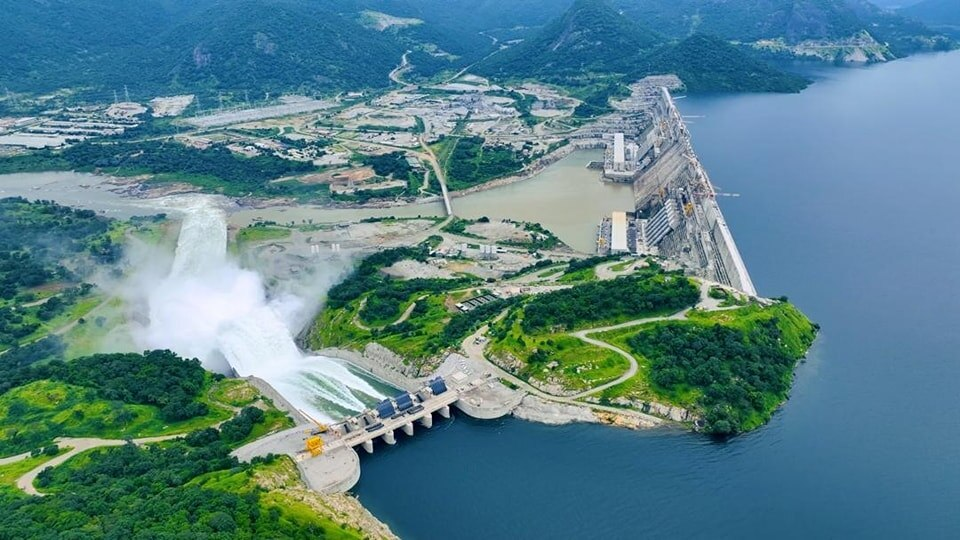
According to local authorities, in just the past few months Ethiopia has earned over $220 million from exporting excess energy to miners, with the proceeds directed toward upgrading power grids and infrastructure.
This approach is rare among developing nations: instead of banning crypto mining like China, Ethiopia has chosen a path of regulated partnership.
Mining companies from China, the U.S., and the UAE are already relocating their equipment here, taking advantage of low tariffs and a business-friendly government policy.
Experts note that amid growing energy restrictions in the U.S. and high mining taxes in Europe, Ethiopia is becoming “the new Kazakhstan” — but with far more stable energy resources and lower geopolitical risks.
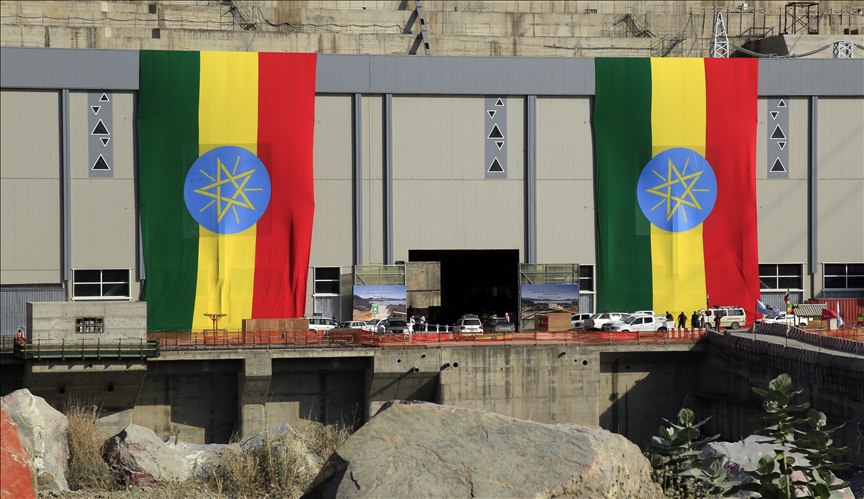
If current trends continue, the country could become Africa’s crypto infrastructure hub, with bitcoin mining becoming one of its largest export sources after coffee and gold.
💡 Conclusion:
While developed economies argue over how to tax miners, developing countries are betting on them.
Ethiopia demonstrates that in the age of digital assets, energy is the new oil, and mining is its best export contract.
All content provided on this website (https://wildinwest.com/) -including attachments, links, or referenced materials — is for informative and entertainment purposes only and should not be considered as financial advice. Third-party materials remain the property of their respective owners.