


The story of a 66-year-old resident of Hong Kong has become one of the most illustrative examples of how modern crypto scammers operate not as one-off incidents, but systematically, building an entire chain of deception. Over six months, the man fell into three different schemes, each of which looked like a logical continuation of the previous one, and ultimately lost about $840,000.
According to the CyberDefender unit, it all began with a classic scenario. In September 2025, the retiree was contacted via WhatsApp by a person posing as a “cryptocurrency investment expert.” The conversation followed a well-rehearsed pattern: a confident tone, promises of stable profits, a simple explanation of “how everything works,” and the feeling that you are dealing with someone who “knows the market.” As a result, the victim was persuaded to transfer about $180,000 and send cryptocurrency to a specified wallet. After receiving the funds, communication abruptly stopped. At this stage, many people realize they have been deceived and stop. But this is exactly where scammers rely on the next step — the psychology of loss.
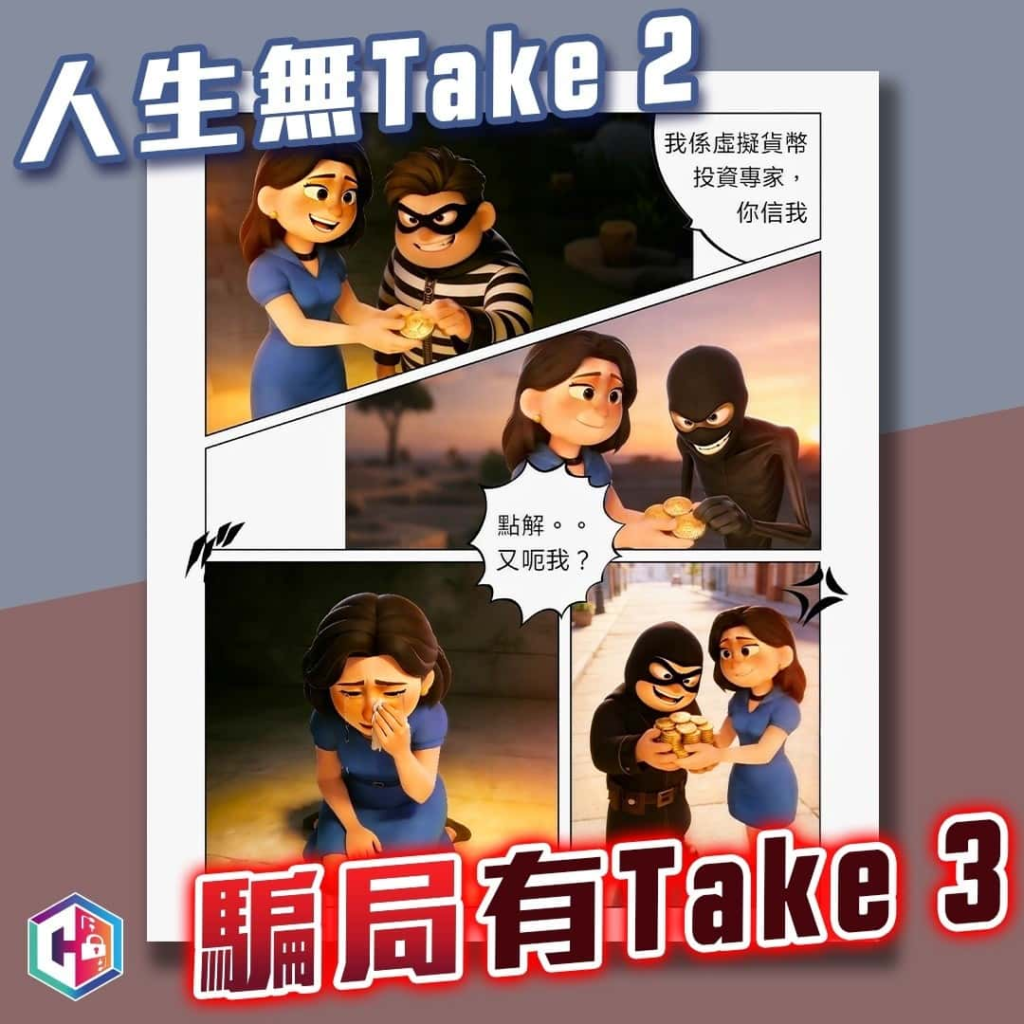
Image for the publication about scammers and the pensioner. Data: CyberDefender
Unwilling to accept the loss of a large sum, the man began looking for ways to recover the money. And it was at this moment that he fell into the second trap. On the internet, he found another “specialist” who promised to help recover the stolen funds. This scheme is well known as a “recovery scam” — fraud based on attempts to recover already lost money. The new “expert” acted even more subtly: he did not promise quick profits, but offered a solution to the problem. However, for the “service,” he demanded a deposit of $75,000. After the transfer, the scenario repeated: no help, no communication.
However, the story did not end there. In January 2026, a third person contacted the victim. And here the scheme reached maximum complexity. The new scammer promised to recover not only the last amount, but all previously lost funds. To do this, he convinced the man to purchase cryptocurrency worth another $585,000 and send it to a “special address,” allegedly required to carry out the recovery operation. After the transfer, communication was cut off again.
As a result, over six months the victim made three transfers, each time hoping either to earn money or to recover what had been lost. The total damage amounted to about 6.6 million Hong Kong dollars, or approximately $840,000.
Police emphasize that this case is particularly illustrative because it demonstrates not just isolated fraud incidents, but an entire strategy. Fraudsters can reuse the same victim, playing on their emotions, hope, and desire to “fix the situation.”
The phrase voiced by CyberDefender sounds almost like dark humor, but it captures the essence of what is happening: “In life there are no second chances, but in fraud there can be three.”
Law enforcement separately highlights the typical signs of such schemes. Promises of guaranteed profit, insider information, or “risk-free investments” are almost always red flags. An even more alarming sign is an offer to recover already lost funds for an additional fee. In the overwhelming majority of cases, this is a continuation of fraud, not a solution to the problem.
This incident comes amid a general rise in crime in the crypto industry. According to Hacken, losses in the Web3 sector reached about $3.95 billion in 2025 alone. Authorities in Hong Kong are also recording an increase in phishing attacks, investment schemes, and other forms of digital fraud.
The main problem is that cryptocurrencies themselves are not the cause of fraud — they are only a tool. However, their features, such as transaction irreversibility and relative anonymity, make them convenient for criminals.
This case shows another important point: technologies may be complex, but deception schemes remain surprisingly simple. They are built not on vulnerabilities in code, but on vulnerabilities in human psychology — trust, fear of loss, and the desire to fix everything quickly.
And that is why such stories repeat themselves again and again, changing only the details while preserving the essence.
All content provided on this website (https://wildinwest.com/) -including attachments, links, or referenced materials — is for informative and entertainment purposes only and should not be considered as financial advice. Third-party materials remain the property of their respective owners.