

The story looks like a classic legend from the early years of Bitcoin, when the digital currency was an exotic curiosity for enthusiasts rather than an asset with institutional status and ETFs. An unknown owner of a Bitcoin wallet moved all of their 909 BTC for the first time in 13 years, coins that have increased in value thousands of times and were worth approximately $84.6 million at the moment of the transfer. For the market, such movements always look alarming and at the same time fascinating: they are a reminder that huge volumes of Bitcoin are still in the hands of people who bought them literally “for pennies.”
According to analysts at Lookonchain, the accumulation of these coins dates back to the very beginning of the market’s formation. Bitcoins started flowing into the wallet when the price of one BTC was below $7. The owner then continued to carefully accumulate coins from December 2012 to April 2013, already at prices ranging from $12 to $130. Even by the standards of that time, this was a bet on an extremely risky and poorly understood asset. There were no guarantees, no infrastructure, no regulated exchanges, and no talk of “digital gold.” There was only an experiment, a community, and belief in an idea.
The night of January 20 became a key moment in this story. All the cryptocurrency was transferred to a new wallet in a single move. Without splitting, without preparation through a series of small transactions, and without obvious attempts at masking. The fact of the transfer itself does not mean a sale, but the market traditionally reacts to such events with caution. Old wallets that have been “silent” for more than ten years are perceived as a potential source of price pressure, especially if their owners decide to lock in at least part of their profits.
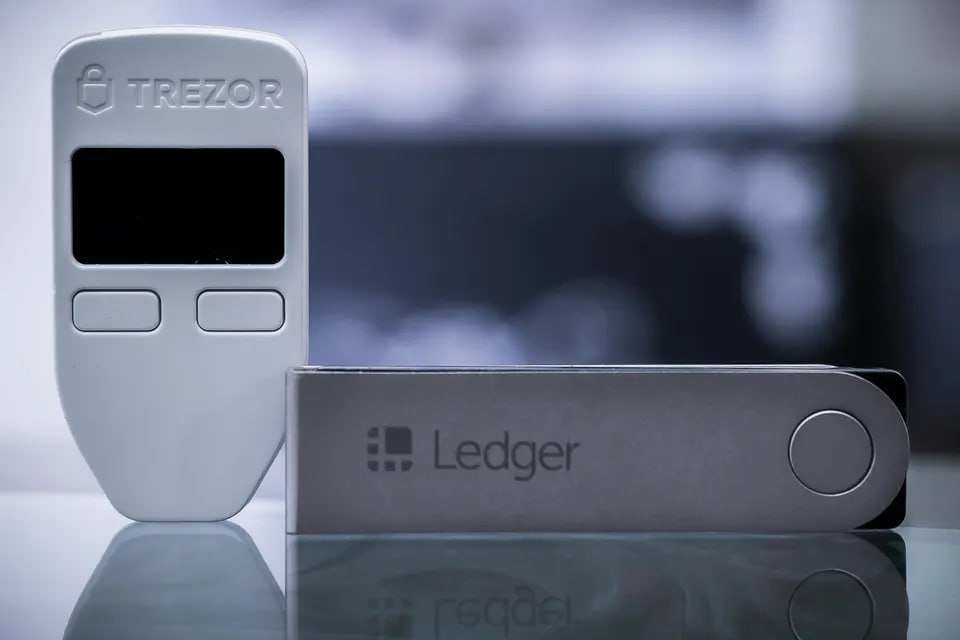
Who stands behind this transfer is unknown. It could be an early miner, a private investor, someone who simply believed in the technology at the right time, or even one of the first participants in the ecosystem whose names have long become part of crypto folklore. The lack of information only amplifies the effect. Unlike traditional markets, where major players are more or less known, Bitcoin still retains an element of anonymity, especially when it comes to early addresses.
Similar movements have occurred before. Last summer, analysts recorded a series of large Bitcoin transfers by early holders amid the price rising toward record levels. This is a typical pattern: when the price reaches new highs or approaches them, “dormant” wallets begin to wake up. For some, this is a signal of potential profit-taking; for others, it is simply a technical measure related to security, key rotation, or inheritance.
In a broader sense, such stories highlight a fundamental feature of Bitcoin. A huge portion of the supply was distributed at the very beginning and has barely moved since. These coins have become a kind of time capsule, reflecting an era when Bitcoin was an idea rather than a multi-trillion-dollar market. Every such transfer is a reminder of the network’s long memory and of the fact that current price fluctuations look far less dramatic against a 10-15 year horizon.
For the market, this transfer by itself is neither a clearly bullish nor a bearish signal. It is rather a marker of the ecosystem’s maturity and a reminder to investors that Bitcoin is an asset with a unique history of capital distribution. It remains unknown whether a sale will follow the movement, but the very fact that “ancient” coins have emerged from dormancy once again brings the market back to a simple question: how many more such wallets exist, and what will happen if their owners decide to remind the world of their presence.
All content provided on this website (https://wildinwest.com/) -including attachments, links, or referenced materials — is for informative and entertainment purposes only and should not be considered as financial advice. Third-party materials remain the property of their respective owners.